Nearly Twice as Many People With Diabetes Reached Eye Care After Instant AI Results
People with diabetes in Tanzania were nearly twice as likely to reach an eye specialist when AI read their eye photos and they got results on the spot. A randomized trial of 2,378 people at 24 hospitals, led by LSHTM, reports it in The Lancet Global Health.
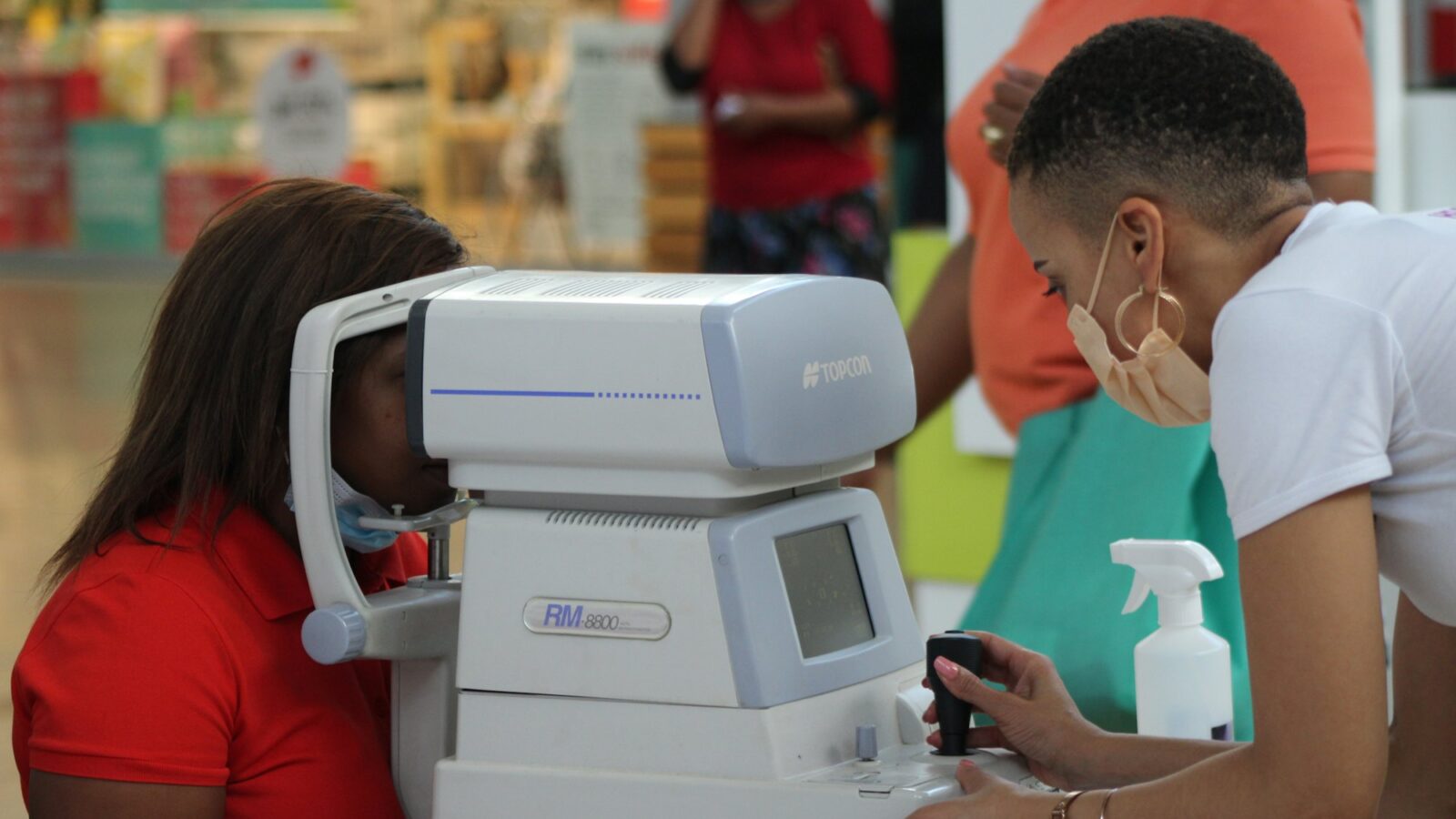
Picture a morning at a diabetes clinic in northern Tanzania. A woman has drops put in her eyes, sits for photographs of both retinas, and goes home. A few weeks later her phone rings: she needs to see an eye specialist at the central clinic. Many people in her place never make that trip, and diabetic retinopathy, a common complication of diabetes and a leading cause of blindness worldwide, keeps moving in silence.
A team led by the London School of Hygiene & Tropical Medicine, working with Kilimanjaro Christian Medical Centre and the Tanzanian Ministry of Health, tried a different morning. AI software graded the photographs before the person left the room, and a health worker explained the result face to face, right then. In a randomized trial of 2,378 people, that change nearly doubled the share of people who needed a specialist and actually got there within eight weeks. The study was published October 12 in The Lancet Global Health.
Two ways to get the same news
The trial ran from March 2023 to August 2024 at diabetes and non-communicable disease clinics in 24 hospitals across the Kilimanjaro and Arusha regions. Every participant had retinal photographs taken of both eyes. Then the paths split:
- Standard care: people graded the images later, and results and counseling came by telephone a few weeks after the visit.
- The AI pathway: the images went to AI software, which sorted them as non-referable, referable or ungradable. Anyone with a referable or ungradable result was referred to the central eye clinic and counseled in person before leaving the photography room.
To keep score fairly, masked graders certified in the UK reviewed the images to decide who truly had referable disease. That was 904 people: 437 in the AI group and 467 in standard care.
In the AI group, 157 of 437 (35.9%) reached the central ophthalmology clinic within eight weeks. In standard care, 85 of 467 (18.2%) did. According to the London School of Hygiene & Tropical Medicine, those who went after AI screening also went sooner: an average of 10.9 days after screening, compared with 36.9 days.
One caution matters. The AI group got an instant result and an in-person conversation together, so the trial cannot say how much of the gain came from the software and how much from the counseling it made room for. LSHTM itself notes the difference may be partly explained by how people received their results.
What the software actually did
The trial’s published protocol names the system as SELENA+ from EyRIS. It was the only option that met all the team’s needs, including regulatory approval and the ability to work offline. According to the protocol, an earlier validation study in Zambia found it caught 92.25% of referable cases.
The clever part is not that a machine read a retina. It is what the instant answer freed up: a real conversation, at the moment a person is most ready to hear it. Charles Cleland, an ophthalmologist at LSHTM and the study’s first author, put it this way:
“Using AI in a diabetic eye screening program in Tanzania enabled patients to receive their result along with face-to-face counseling at the point of screening, giving people the opportunity to ask questions, understand treatment options and feel supported in their care.” Charles Cleland, London School of Hygiene & Tropical Medicine, via Medical Xpress
The trip that saves sight
Diabetic retinopathy can be treated, but only if people reach treatment. The protocol notes that early detection and timely treatment can prevent blindness in 95% of people with sight-threatening disease. A screening result means little until someone walks through the clinic door.
According to LSHTM, the Tanzanian Ministry of Health, a collaborator on the study, has committed to bringing AI diagnostics into diabetic eye screening in multiple regions of the country. The authors are careful to add that better screening has to come with better access to specialist clinics and treatment. For the woman in the clinic chair, the change on offer is modest and very human: a conversation today instead of a phone call weeks from now, and a better chance she reaches the clinic where her sight can be protected.
Sources
- Artificial intelligence-supported diabetic retinopathy screening in Tanzania: a randomised controlled trial
- PubMed record and abstract, PMID 42863478
- AI screening helps more people with diabetes access sight-saving eye care
- Artificial intelligence-supported diabetic retinopathy screening in Tanzania: rationale and design of a randomised controlled trial
Every claim in this story was checked against these sources on October 15, 2026. Spot something wrong? Tell us and the correction will be dated on this page.