
Every discovery, newest first
One verified story a day, from medicine to quantum computing. Each card says how close it is to people, how strong the evidence is, and how much the AI did.
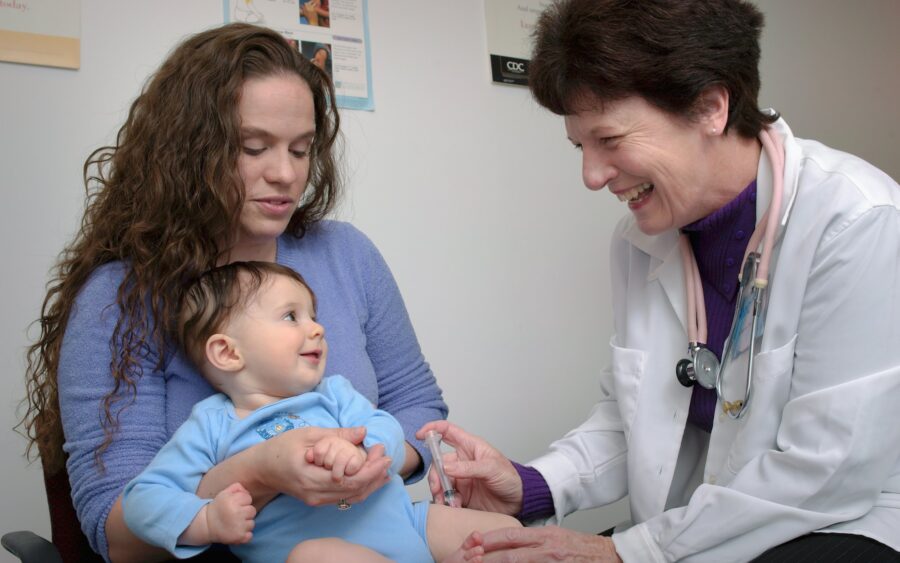
Eighteen Children Got an Answer After a Model Reread Their Unsolved Genomes
Eighteen families got an explanation for their child's condition after a language model took a second look at their genome data. Boston Children's Hospital, Harvard and OpenAI reanalyzed 376 unsolved cases and report the results in NEJM AI.
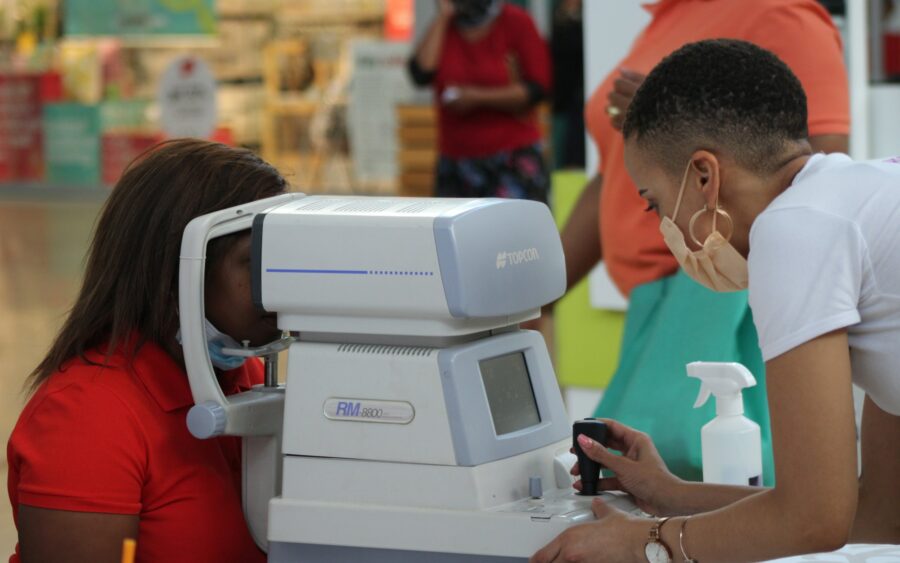
Nearly Twice as Many People With Diabetes Reached Eye Care After Instant AI Results
People with diabetes in Tanzania were nearly twice as likely to reach an eye specialist when AI read their eye photos and they got results on the spot. A randomized trial of 2,378 people at 24 hospitals, led by LSHTM, reports it in The Lancet Global Health.
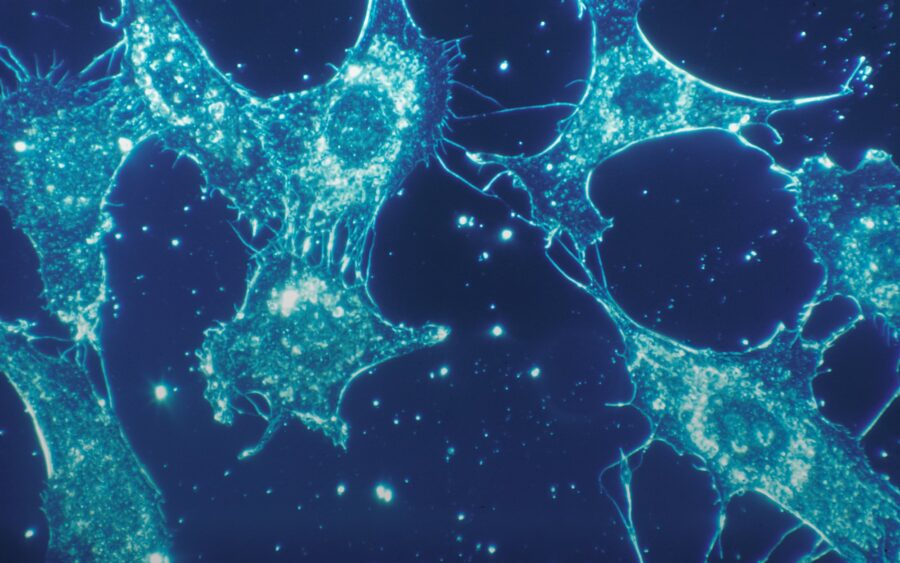
Hidden Human Proteins Found by Shape Could One Day Become Drug Targets
Many proteins in our cells are still unexplored, and a search by shape just found some that could one day become drug targets. University of Miami scientists searched AlphaFold predictions and found TM184C, which helps build bridges between cells.

Underwater Microphones and AI Could Help Guard the Reefs That Feed Coastal Communities
A cheap listening system that hears illegal blast fishing could help patrols and restoration teams protect reefs that coastal families rely on. A UK and Indonesian team used a machine learning detector to find 3,567 verified blasts in recordings made over 16 months off South Sulawesi.
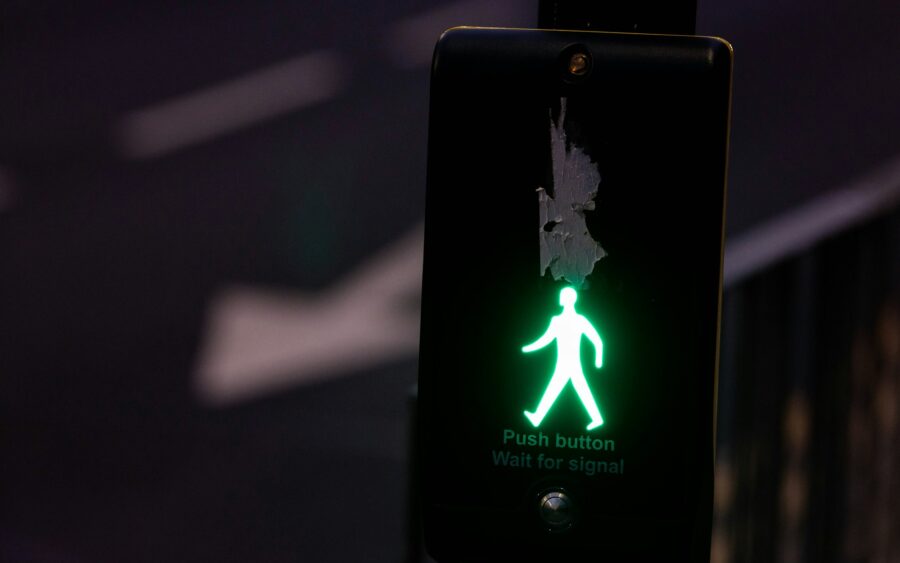
A Phone App Could Help Blind and Low-Vision People Walk Outdoors More Independently
A smartphone app could one day help blind and low-vision people walk outside more safely and on their own. In a Harvard study of 14 volunteers, it beat Google Maps plus a cane on speed and obstacle contacts.
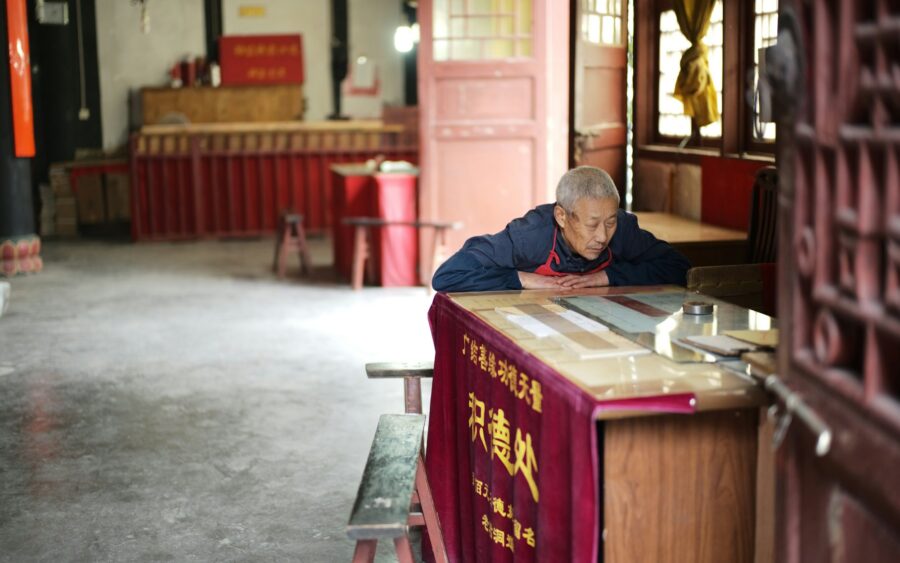
Cantonese Elders’ Life Stories Could Reach Families Sooner With an AI First Draft
Life stories from New Zealand's Cantonese elders could reach families and historians sooner, with a speech model drafting transcripts in hours. A University of Otago and New Zealand Chinese Association team ran Whisper on nearly 13 hours of interviews and found it reliable mainly on the English.
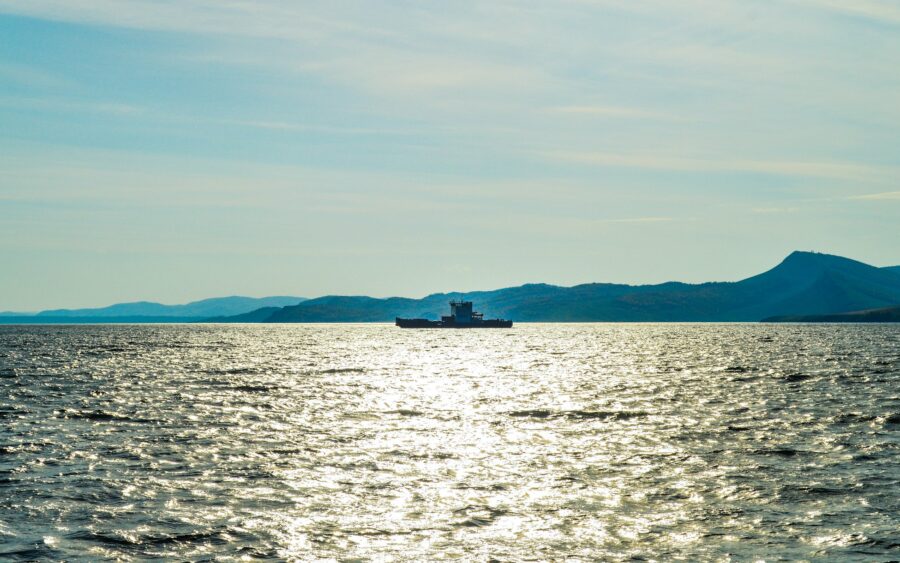
Ships Could Find Their Way Without GPS by Feeling Earth’s Gravity
Ships that lose or distrust satellite signals could steer by gravity instead. In a sea trial off Australia, Q-CTRL's quantum gravimeter cut position error about sixfold.
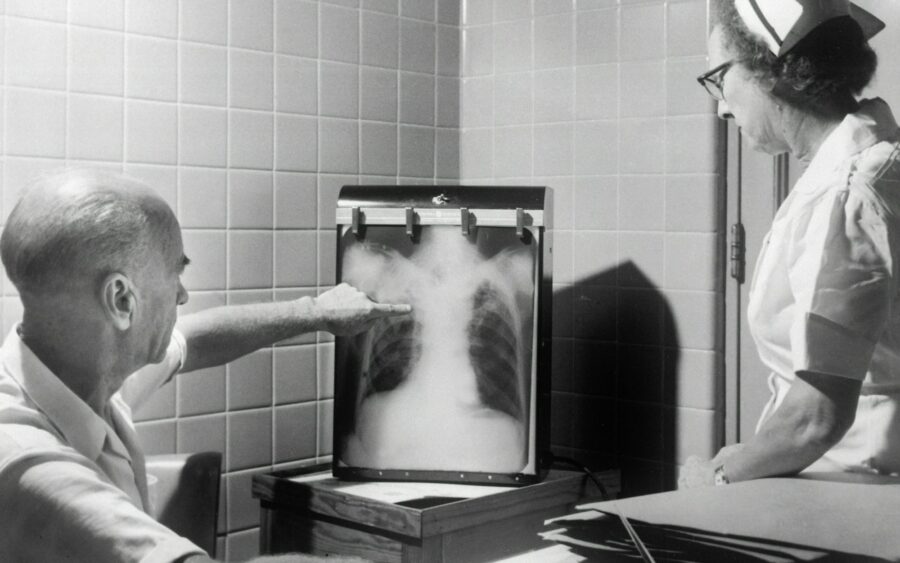
Finding Hidden TB for Less: AI X-Ray Reading Alone Beat Adding a Blood Test
AI software reading chest X-rays on its own found more hidden TB in Lesotho and South Africa, at lower cost, than when a blood test was added. The Swiss TPH-led trial of 20,023 adults, which compared two AI-based strategies, appeared in The Lancet Infectious Diseases.
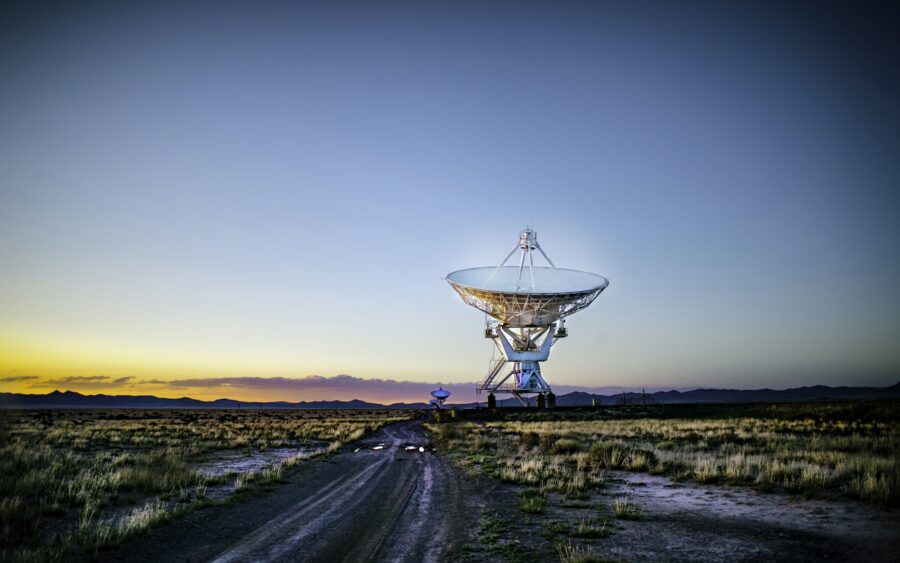
Anyone Can Now Watch 27 Years of a Black Hole Jet, Thanks to AI
Anyone can now watch a black hole's jet move across 27 years, in a video built from real radio telescope data. A Nature study from IAA-CSIC, Caltech and Toronto used a neural network to make it.
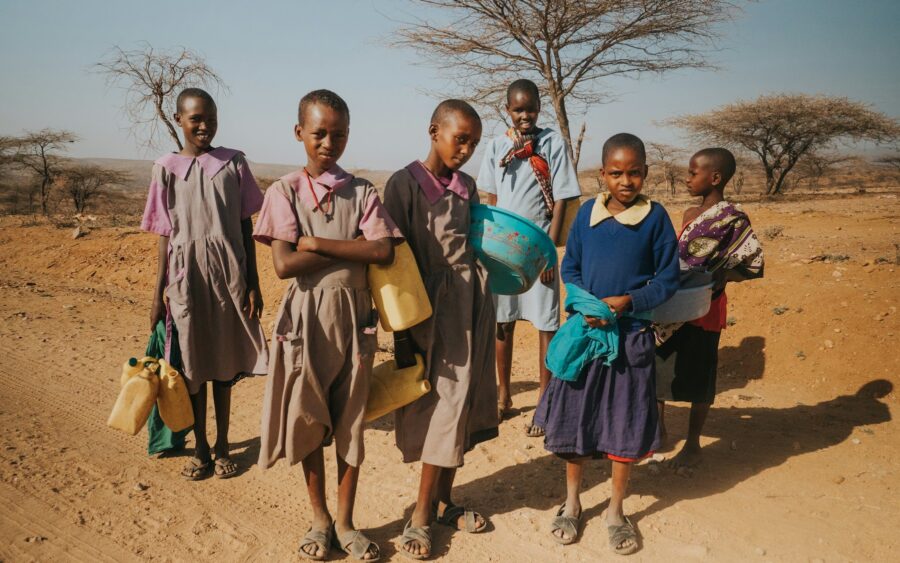
Help Could Reach Hungry Kenyan Children Sooner as Forecasts Join Drought Warnings
Kenya's drought agency now uses machine learning forecasts of child malnutrition, aiming to get help to families before hunger peaks. The method, from UC Berkeley, Cornell, IFPRI, the agency and the US Census Bureau, was published in PNAS in 2025; what is new is its use in Kenya's early warning system in 2026.

Everyday Dashcam Photos Could Help Cities Find Flooded Blocks That Nobody Reported
Street photos from ordinary car dashcams could show cities which neighborhoods flood, including ones nobody reports. Cornell Tech and UC Berkeley researchers tested the method on more than 1.4 million images.
A Step Toward Voice Technology for 675 Underrepresented Languages, Built From Archive Recordings
Speakers of endangered languages could one day get speech tools in their own tongue, built from 30,202 hours of archived recordings. Researchers at Yonsei, McGill and Mila turned recordings from the Endangered Languages Archive into a public, non-commercial training set and early speech models.

A week of discoveries, one email, every Sunday.
The week's verified discoveries, what moved on the tracker, and one big question answered. If it was a quiet week in a field, we say so instead of filling the space.