
Every discovery, page 3
One verified story a day, from medicine to quantum computing. Each card says how close it is to people, how strong the evidence is, and how much the AI did.
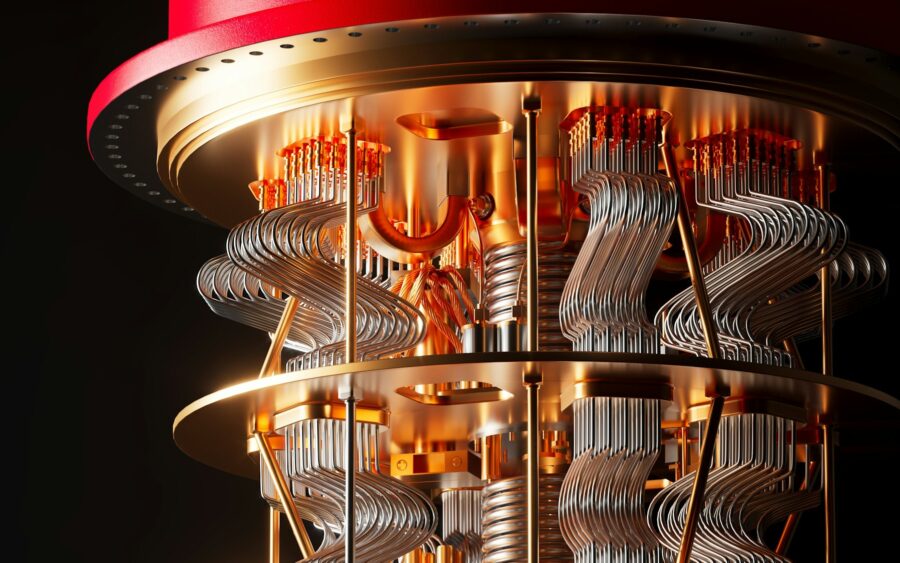
A Chip That Retunes Itself Is a Step Toward Quantum Machines That Could Run for Days
Quantum computers that could one day help design medicines and materials will need to run for days without stopping, and this is a step toward that. A learning agent on Google's Willow chip steered more than 1,000 controls while error correction kept running, using the machine's own error alarms as feedback.
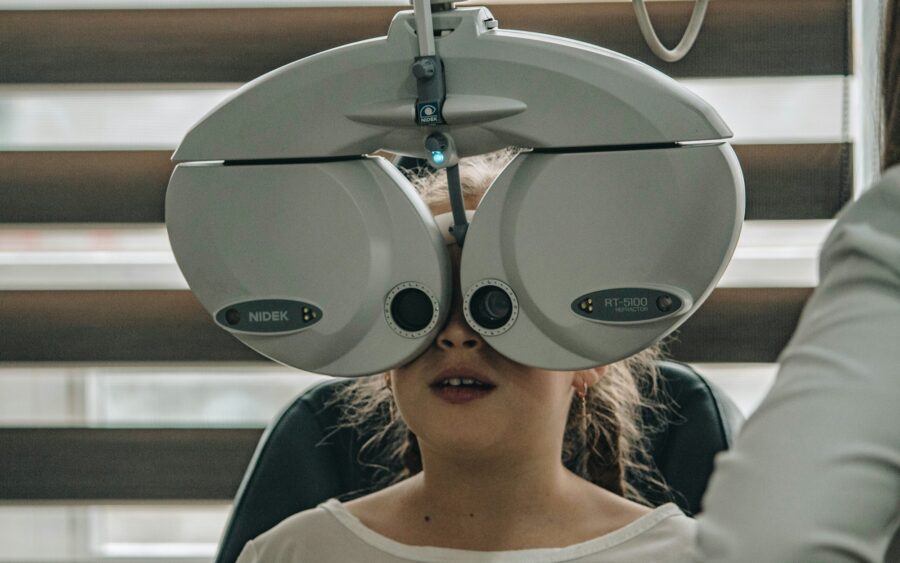
Families With Inherited Eye Disease Could Get to the Right Gene Sooner
People with inherited retinal disease could reach the gene behind their failing sight sooner, with an AI assistant guiding their specialist. In a randomized trial, specialists using it put the right gene in their top five for 88.5 percent of 295 analyzed patients, versus 67.3 percent without it.
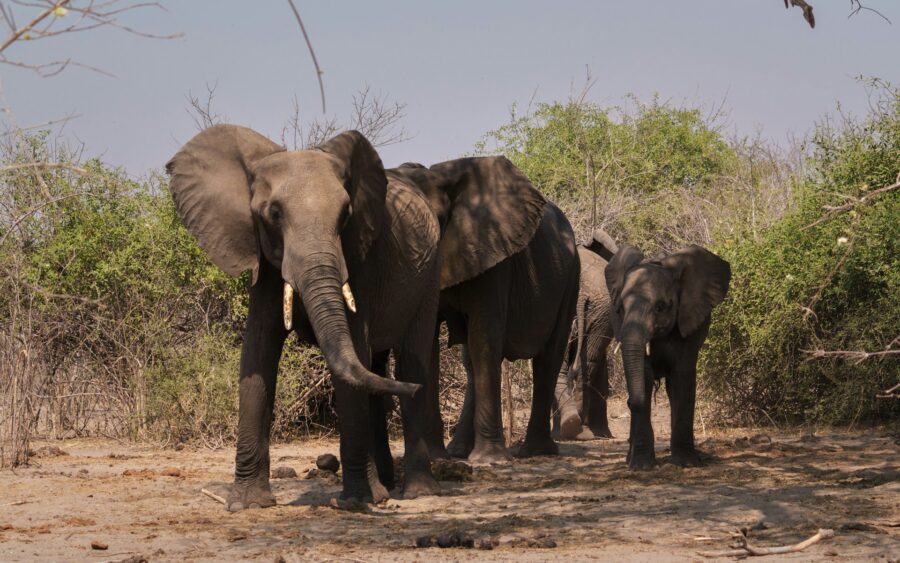
Conservationists Could One Day Count Elephants From Space, but Not Without Planes Yet
Satellites could one day help the people protecting Botswana's elephants count herds more often than costly survey flights allow. A team including the University of Edinburgh and Elephants Without Borders ran Botswana's first matched satellite and aircraft count with an AI detector, but trees made the satellite estimates uncertain.
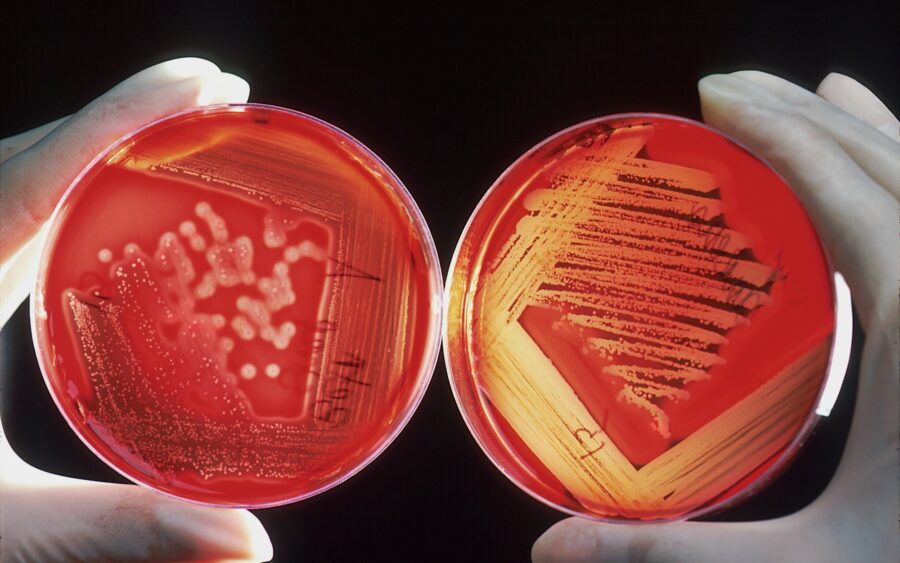
A Step Toward Rebuilding the Microbe Factories That Make Some Antibiotics and Cancer Drugs
The microbe assembly lines behind some antibiotics and cancer drugs could one day be rebuilt with parts made to order rather than scavenged from nature. A team at the Helmholtz Institute for Pharmaceutical Research Saarland designed 76 carrier parts with generative models, and the best raised output of a model peptide by up to about three times.
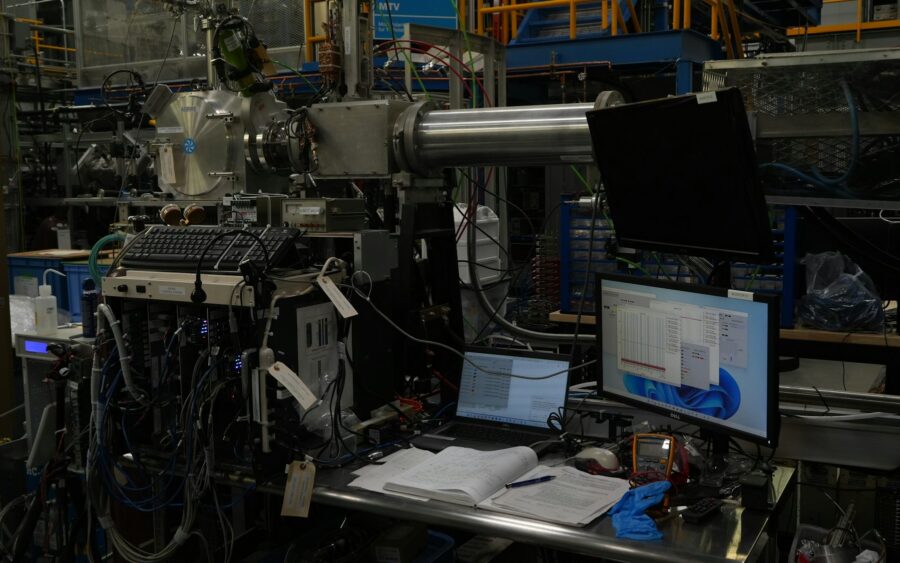
A Decades Old Puzzle Gets a Map, a Step Toward Better Superconductors One Day
Understanding how some materials carry electricity without resistance could one day lead to better power lines, magnets and electronics. A Harvard team used ultracold lithium atoms as stand-ins for electrons and mapped the pseudogap, a strange state at the center of the argument.
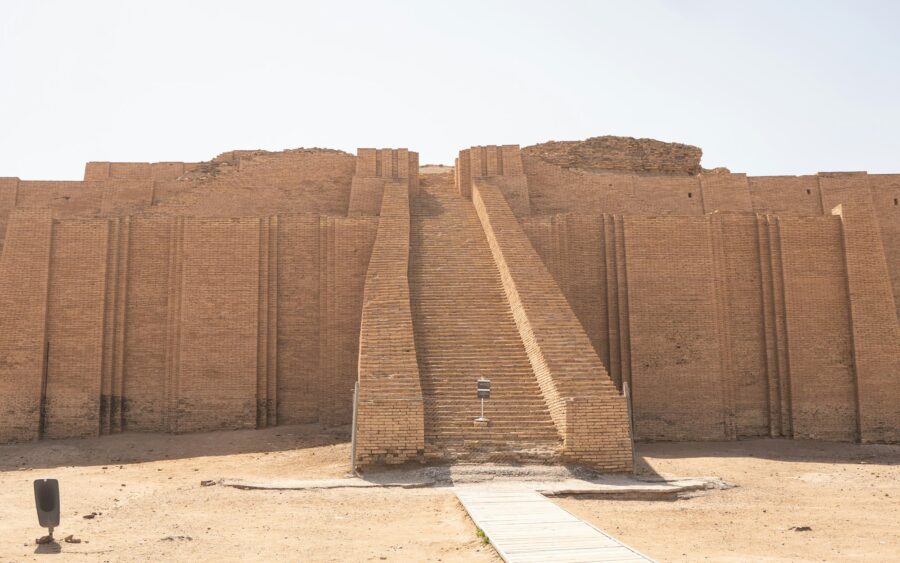
Free Radar Images Could Point Archaeologists to Unmapped Ancient Settlements in Iraq
Archaeologists searching central Iraq for the mounds left by ancient settlements could get a shortlist of places to check, built from free satellite data. Researchers in Treviso and Venice trained a deep learning model on Sentinel-1 radar and elevation data; its scores are modest, but the authors report archaeological review found it reliable and that it flagged potential sites not yet mapped.
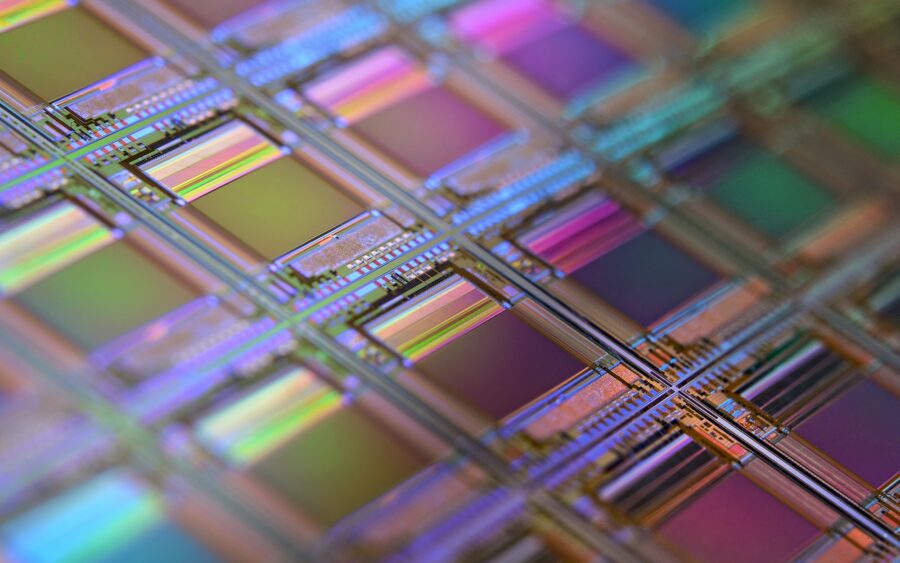
A Self-Driving Lab Gave Engineers a Recipe They Can Follow by Hand
Engineers growing a promising material for power electronics got something rare from an automated lab: a recipe people can follow, test and improve. NTT researchers report their self-driving lab grew gallium oxide films with less disorder than previously reported for sputtering, and people using a rule drawn from its data went lower still, in more runs.
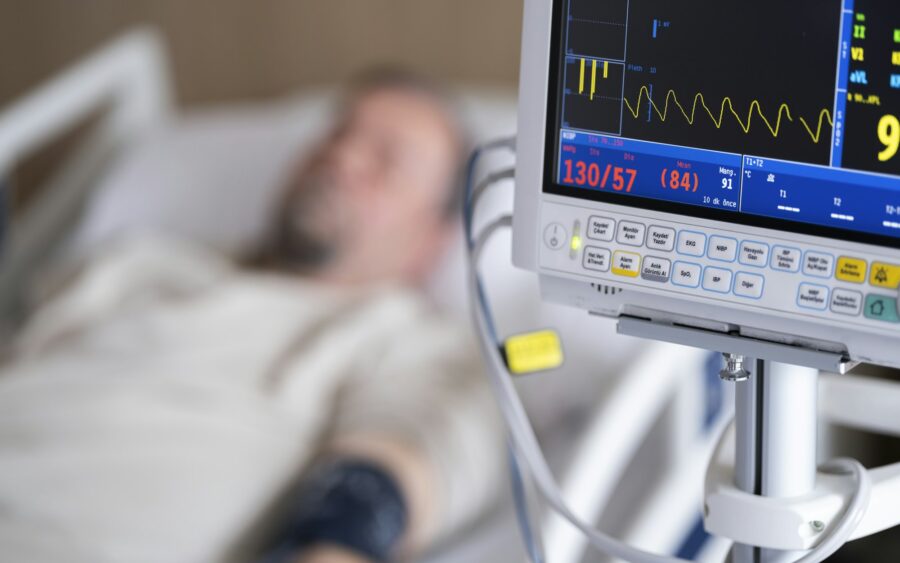
People With Hard-to-Control Epilepsy Could One Day Talk Back to Their Seizure Devices
People whose seizures medication does not control could one day have a device that tells them what it sees and learns from their answers. University of Pennsylvania researchers tested the prototype with 13 hospital patients, and in a simulation their feedback made its seizure detector more precise.
Odd Repeats in Virus DNA Could One Day Point Toward New Tools for Medicine
The kind of repeated DNA that led scientists to CRISPR has turned up beside enzymes in viruses that attack bacteria, and nobody yet knows what it does. Software agents searching 1.9 billion protein clusters flagged it, the work is a preprint, and the claim to have found it first is disputed.
A Step Toward Batteries Made From Plentiful Sodium to Store Renewable Power
Batteries made from plentiful sodium could one day help store renewable power, and a newly found solvent is a small step toward them. MIT researchers say an AI-guided search of 100,000 candidate solvents, narrowed to 27 lab tests, found the molecule; the result appears in Joule.
Machine Learning Takes Some Guesswork Off the People Who Grow Light-Emitting Crystals
Crystal growers facing an unfamiliar machine could lean less on an expert's instinct, thanks to a system that watches growth live and corrects it. SemiEpi, from the Chinese Academy of Sciences' Institute of Semiconductors and Zhejiang University, steered quantum dots close to a 1240 nm target chosen for gas sensing, though a person still handled some steps by hand.
Not New, but Worth Knowing: 23,000-Plus Medieval Manuscripts Now Open to Everyone as Text
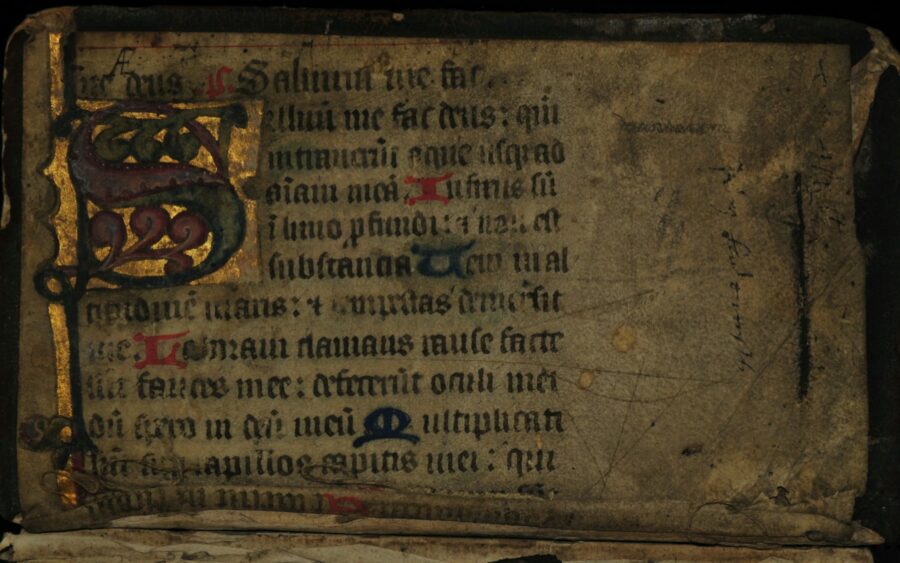
Students, historians and curious readers can explore the words of more than 23,000 medieval manuscripts that were once only photographs online. Inria's CoMMA corpus, first reported in January, used handwriting recognition on Latin and Old French manuscripts, and in September 2026 the team released the data in a new format on Hugging Face.

A week of discoveries, one email, every Sunday.
The week's verified discoveries, what moved on the tracker, and one big question answered. If it was a quiet week in a field, we say so instead of filling the space.