People With Hard-to-Control Epilepsy Could One Day Talk Back to Their Seizure Devices
People whose seizures medication does not control could one day have a device that tells them what it sees and learns from their answers. University of Pennsylvania researchers tested the prototype with 13 hospital patients, and in a simulation their feedback made its seizure detector more precise.
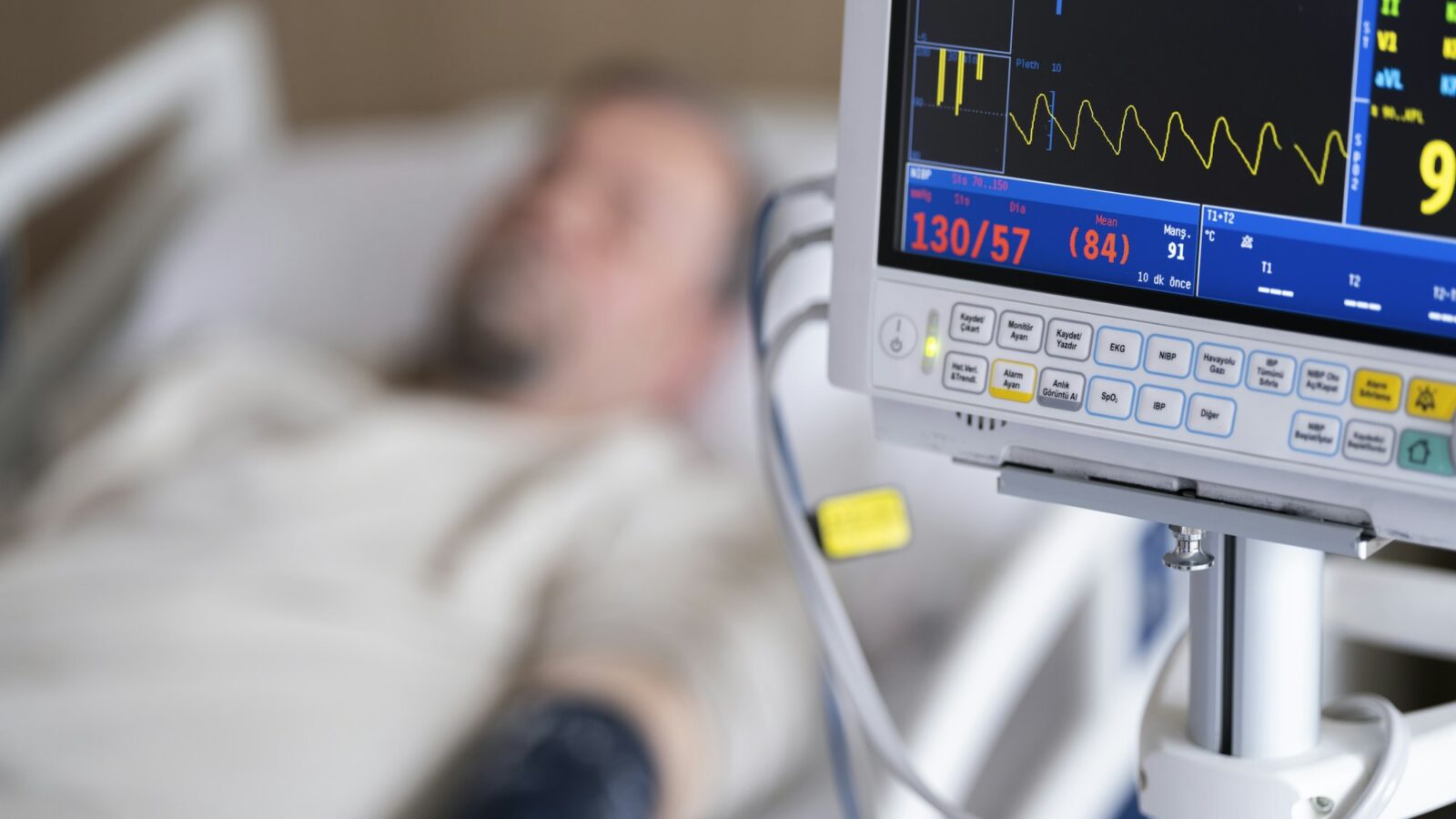
One third of the world’s 70 million people with epilepsy have seizures that medication does not control, the authors of a new study write. For them, implanted and wearable devices that watch for the signs of a coming seizure are an important tool. But those devices have mostly watched in silence.
A team at the University of Pennsylvania built a prototype that talks. Reported in Nature Medicine on October 13, 2026, it links scalp and intracranial electroencephalography to a secure large language model, which talks with the patient through a smartphone app. It was validated in 13 patients undergoing video-EEG monitoring for epilepsy: 11 with scalp recordings, 2 with intracranial recordings. In a pseudoprospective simulation, the patients’ feedback alone, without expert intervention, made the seizure detectors more precise.
Here are the questions a patient might ask, and what the paper says.
What would it actually tell me?
The system processes biomarkers of sleep, medication, cognition and seizure probability, notifies patients of clinical events and trends, and records their symptoms and responses. The authors call devices that keep their data to themselves a missed opportunity for devices to learn from clinical events and teach patients how their behaviors affect their health. Sleep, missed doses and cognitive dips are things a person can act on, if someone tells them in time.
How does my answer make it better?
Two models share the work. One is a seizure detector reading the EEG; the baselines were two published models, SPaRCNet for scalp recordings and ONCET for intracranial recordings. The other is the language model holding the conversation in both directions. What the patient says becomes labels the detector can learn from, so the person having the seizures can tell the system when it got something wrong. Models were updated every three hours when predefined criteria were met. By contrast, the authors note that a prior implantable warning system delivered only one-way feedback and required manual algorithm retraining at intervals typically months apart. That is the part I find quietly delightful: the person who knows these seizures best finally gets a vote.
Is it safe to talk with a language model about my brain?
The paper is specific about the safeguards: human review of every patient and AI interaction, moderation checks on every message in both directions, and all computation inside the university’s HIPAA-compliant cloud, with no protected health information sent to public or consumer services. The authors also raise a caution of their own: patients may over-rely on automated systems. A device that explains itself has to be honest about what it does not know.
Can I get one?
Not yet. This is an inpatient prototype tested with 13 people in a hospital monitoring unit, and the detector gains came in a simulation, not in live closed-loop use. Nothing here shows better seizure control or fewer injuries. The authors propose the design as a scalable, safeguarded platform for medical devices that need to adapt to patients and providers, in epilepsy and beyond.
The honest next step is testing outside the hospital, with people living with devices at home, which this paper does not report. If that goes well, someone whose seizures no medication has stopped could have a device that answers back, and gets a little better at reading their brain every time they answer it.
Sources
- Human-artificial intelligence collaboration for comanaging epilepsy in real time
- Nature Medicine, DOI record
Every claim in this story was checked against these sources on October 15, 2026. Spot something wrong? Tell us and the correction will be dated on this page.