
Every discovery, page 2
One verified story a day, from medicine to quantum computing. Each card says how close it is to people, how strong the evidence is, and how much the AI did.
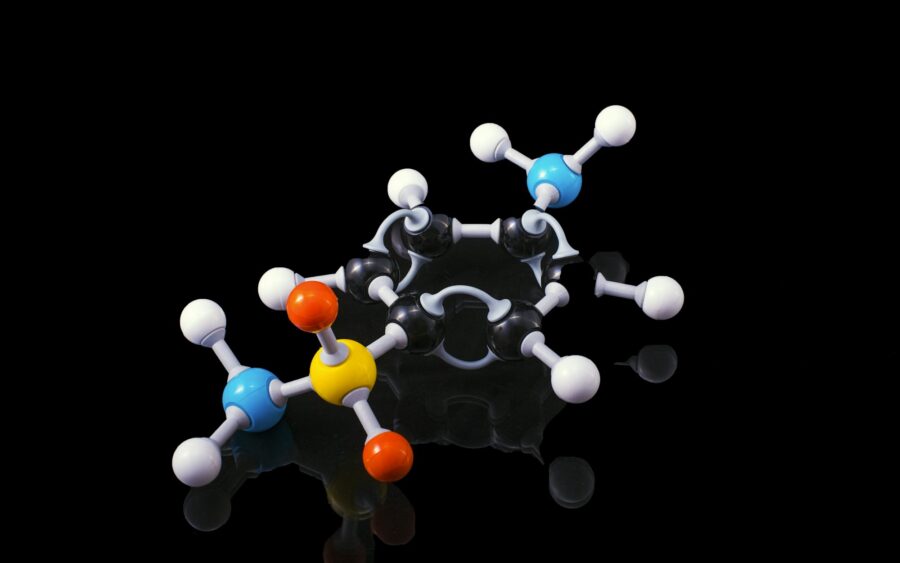
Quantum Computers Could One Day Help Chemists Check the Molecules Behind New Medicines
Chemists checking new drug candidates could one day get help from quantum computers. On 42 qubits, Quantinuum and HQS simulated a hard NMR spectrum whose main features matched the classical answer.
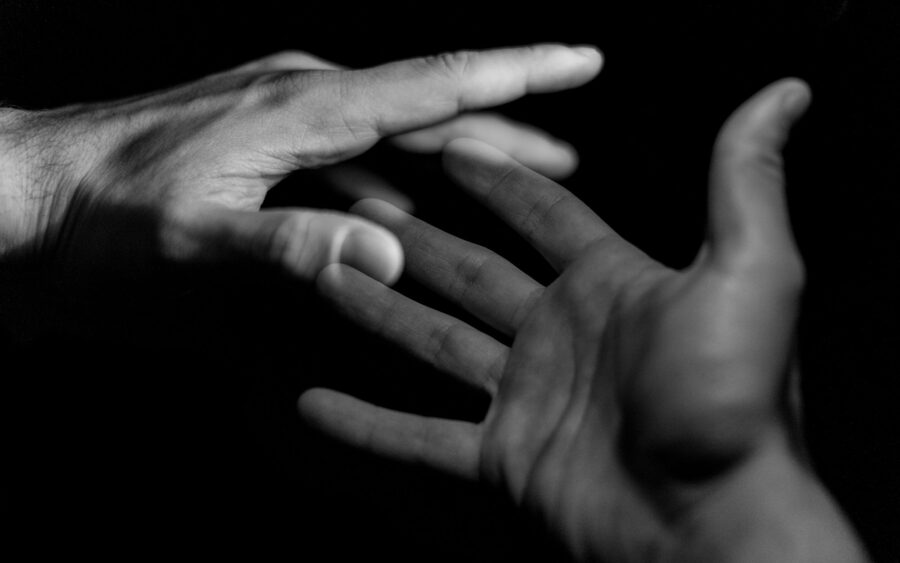
A Step Toward Talking With Words and Hands Again for People With Paralysis
People who cannot speak could one day talk with words and gestures together, through a single brain implant. A University of California, San Francisco team decoded both at once in two people with paralysis, a proof of concept reported in Nature Neuroscience.
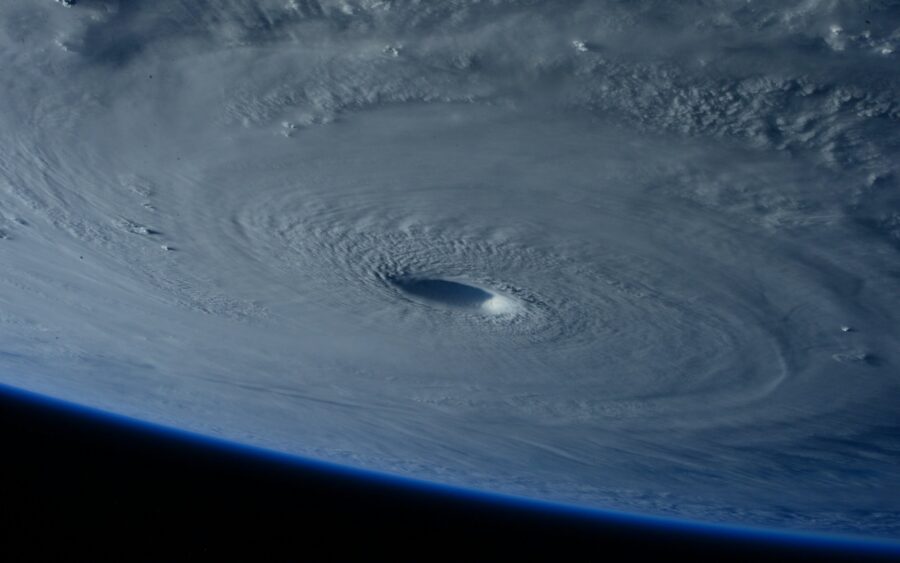
Coastal Families Could Get About a Day More Hurricane Warning From an AI Forecast
People in a hurricane's path could get about a day more warning, from an AI model hurricane forecasters have already begun to use. Google DeepMind's model matches the accuracy of leading forecasts about a day or more earlier, a Nature study with National Hurricane Center co-authors reports.
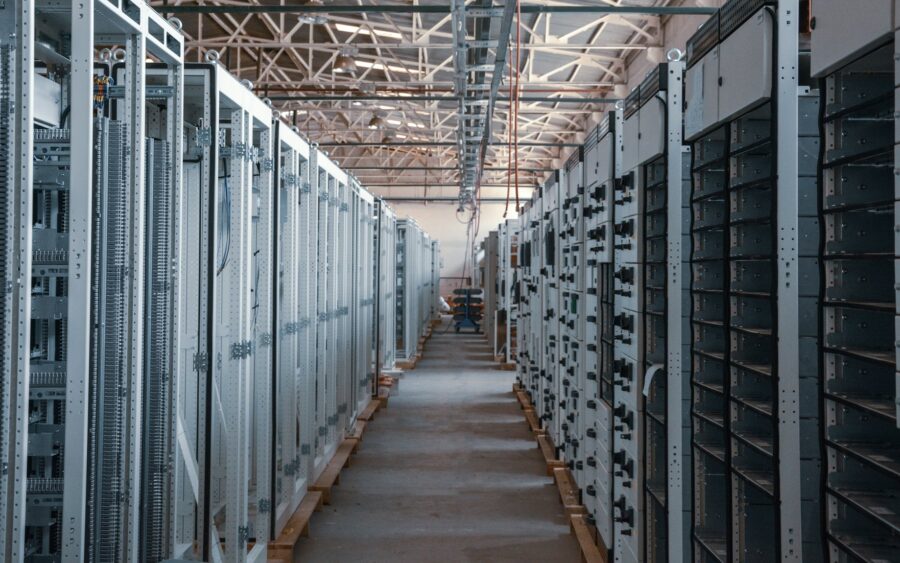
Before We Trust Quantum Answers, Someone Has to Check Them. This Summer Someone Did
If quantum computers are ever going to be trusted with answers people rely on, claims about them have to survive outside scrutiny. IBM's quantum advantage preprint got it: 256 GPUs computed the exact odds of every output it published, and IBM then redesigned the test with the challengers as coauthors.

The First Readable Letters Return From a Scroll Vesuvius Buried in AD 79
Readers and historians have the first words from a Herculaneum scroll too fragile to unroll, still sealed since Vesuvius buried it in AD 79. Dutch software engineer Erwin Nieuwlaar used machine learning ink models to make letters visible in PHerc. 343, and the Vesuvius Challenge's papyrologists read them.
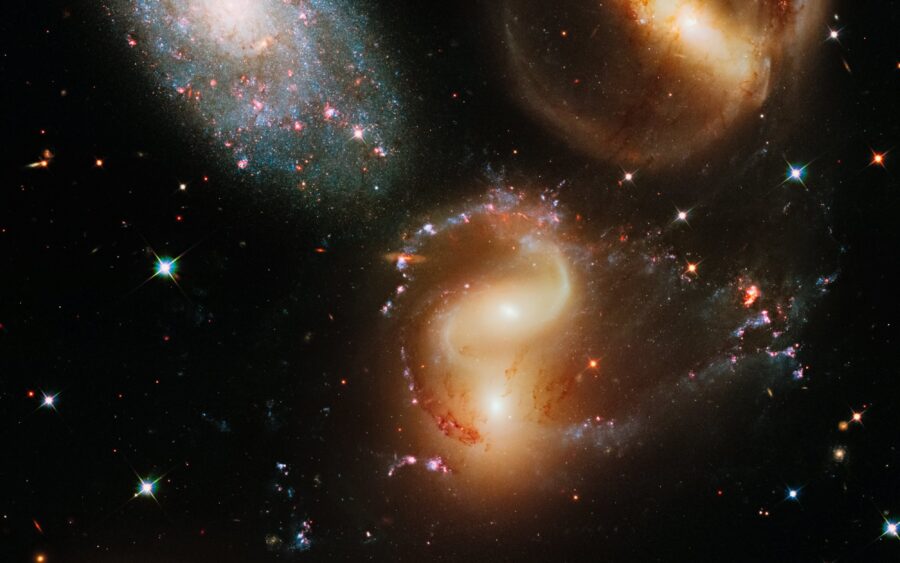
Astronomers Gain 55 Natural Telescopes That Could Help Map the Invisible Universe
Fifty five confirmed cosmic lenses give scientists new ways to study dark matter and how fast the universe is expanding. A team led by Emerald Lin and Ivonne Toro Bertolla checked 76 neural network picks with telescope spectra, confirming 55; 15 more need further observation and six were not lenses.
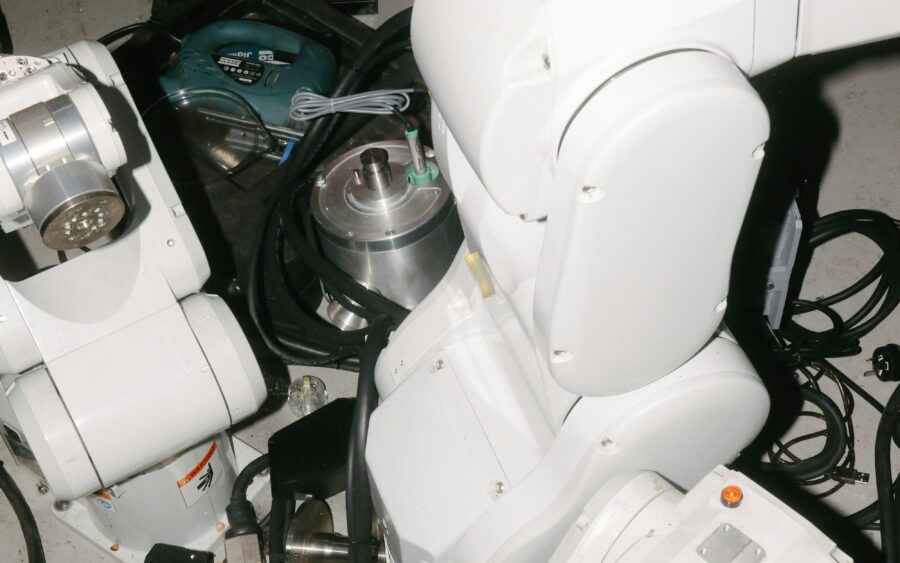
A Step Toward Dependable Robot Helpers, Starting at a Mall Juice Counter
Robots steady enough for kitchens, shops and factories took a step closer: one served mall shoppers juice for about seven hours without a failure. A team from Shanghai Jiao Tong University, Tsinghua University, the Shanghai Qi Zhi Institute and other institutions built the learning method, RL-100.
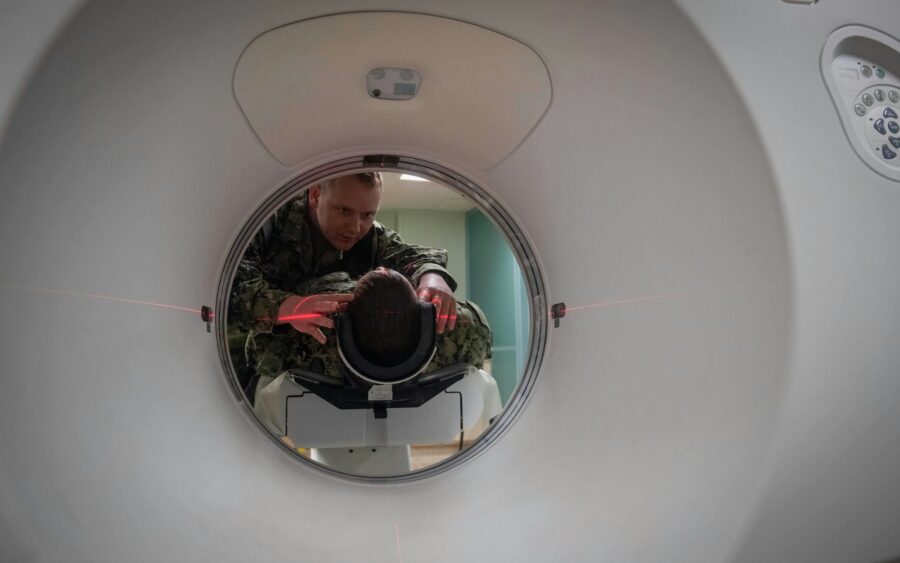
Chest Scans People Already Get Could Help Catch Esophageal Cancer Earlier
The chest CT scans many people already get for other reasons could one day double as a check for early esophageal cancer. A model called EAGLE flagged cancer with 90.0 percent sensitivity at 98.5 percent specificity, validated across 12 centers in three countries; eight authors work for Alibaba.
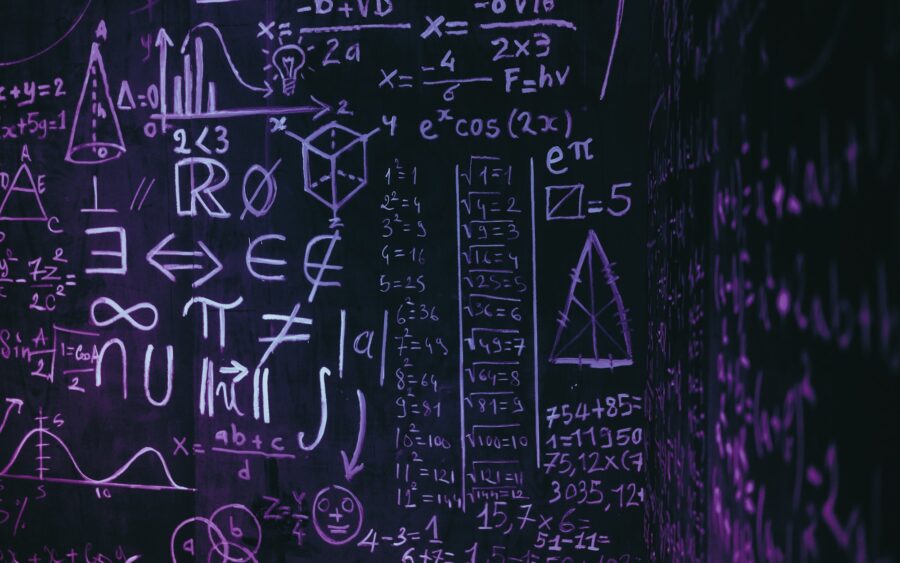
A Machine’s Record Proof About Zeta Zeros Now Has a Version People Can Follow
A record in number theory that a machine found first now has a human proof that students can actually learn from. A research version of Claude pushed the bound past 67.25 percent, and Youness Lamzouri, a mathematician in Nancy, re-proved it his own way. Both are preprints.
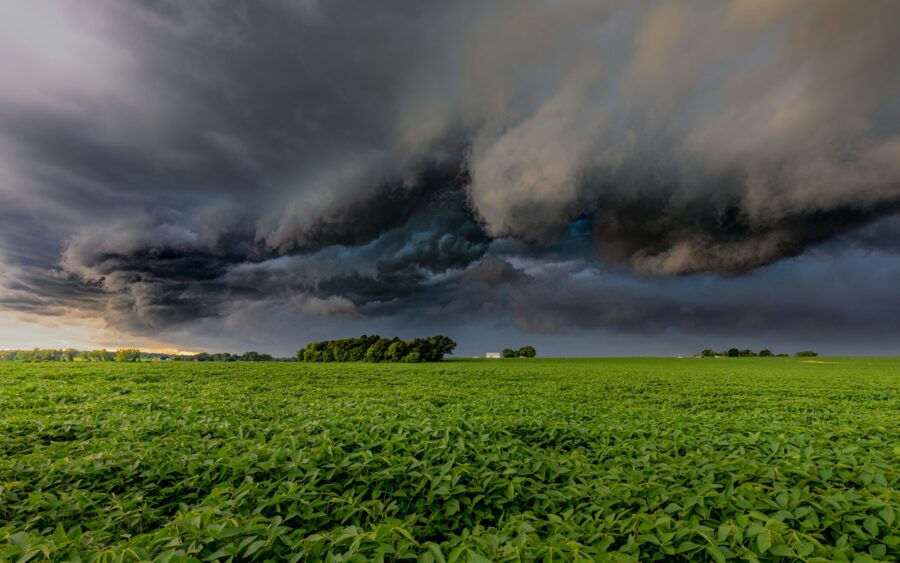
Better Odds for Farmers Planning Three to Four Weeks Ahead of the Weather
Farmers, water managers and aid groups could get better odds on the weather three to four weeks out, a range long called a predictability desert. A machine learning correction from Microsoft Research, Harvard, MIT, ECMWF and others topped ECMWF's 2025 AI Weather Quest, a Nature study reports.
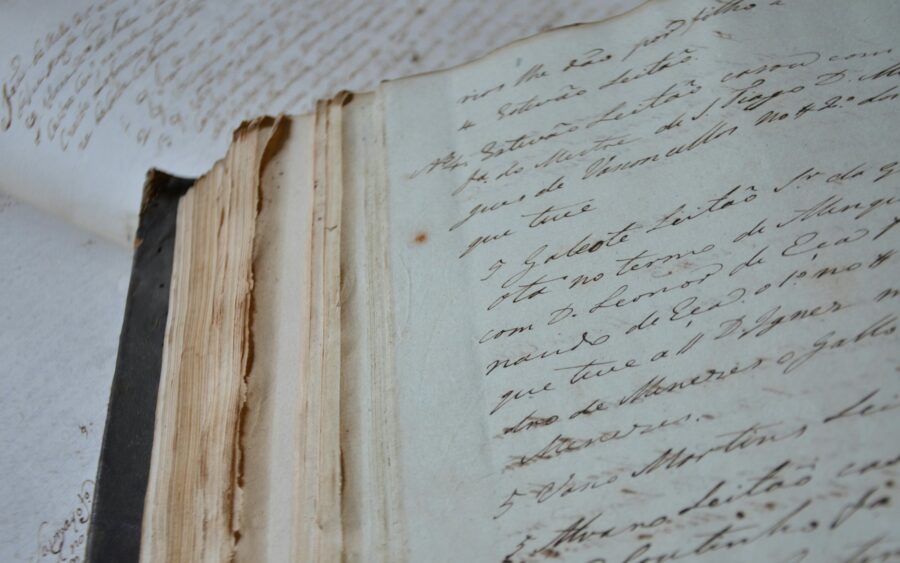
Curators Could Learn How Asia’s Palm-Leaf Manuscripts Were Made Without Harming Them
Libraries caring for South and Southeast Asia's palm-leaf manuscripts could learn how each leaf was made, using only non-destructive measurements. A Hamburg-led team paired synchrotron X-rays with machine learning; how a leaf was processed came through clearly, where it was made only some of the time.
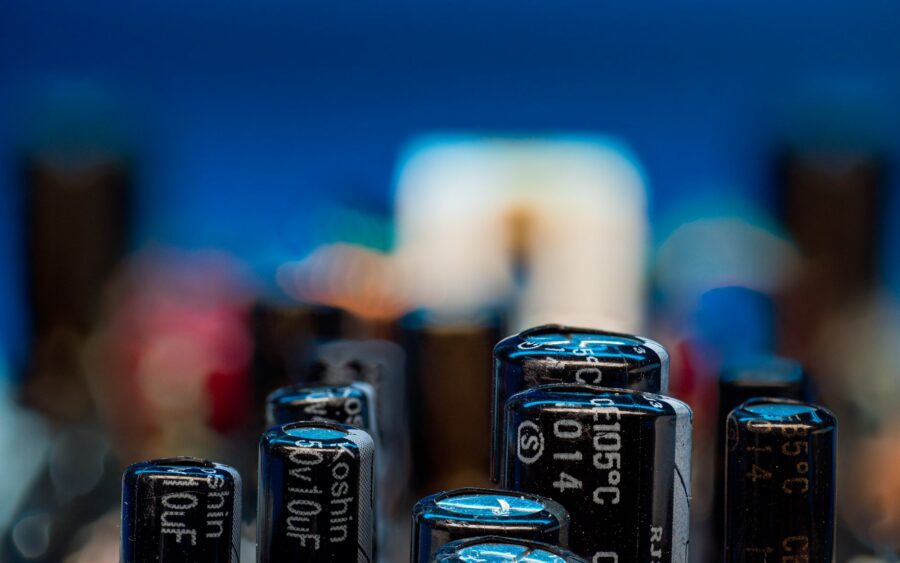
A Ceramic Found With Machine Learning Could Free Up Room Inside Wireless Devices
The phones, radios and satellites people rely on are packed with tiny capacitors, and a new ceramic could one day let them take less space. An international team used machine learning to find it, and one prototype part took about 85 percent less volume than a comparable commercial part.

A week of discoveries, one email, every Sunday.
The week's verified discoveries, what moved on the tracker, and one big question answered. If it was a quiet week in a field, we say so instead of filling the space.