Better Odds for Farmers Planning Three to Four Weeks Ahead of the Weather
Farmers, water managers and aid groups could get better odds on the weather three to four weeks out, a range long called a predictability desert. A machine learning correction from Microsoft Research, Harvard, MIT, ECMWF and others topped ECMWF's 2025 AI Weather Quest, a Nature study reports.
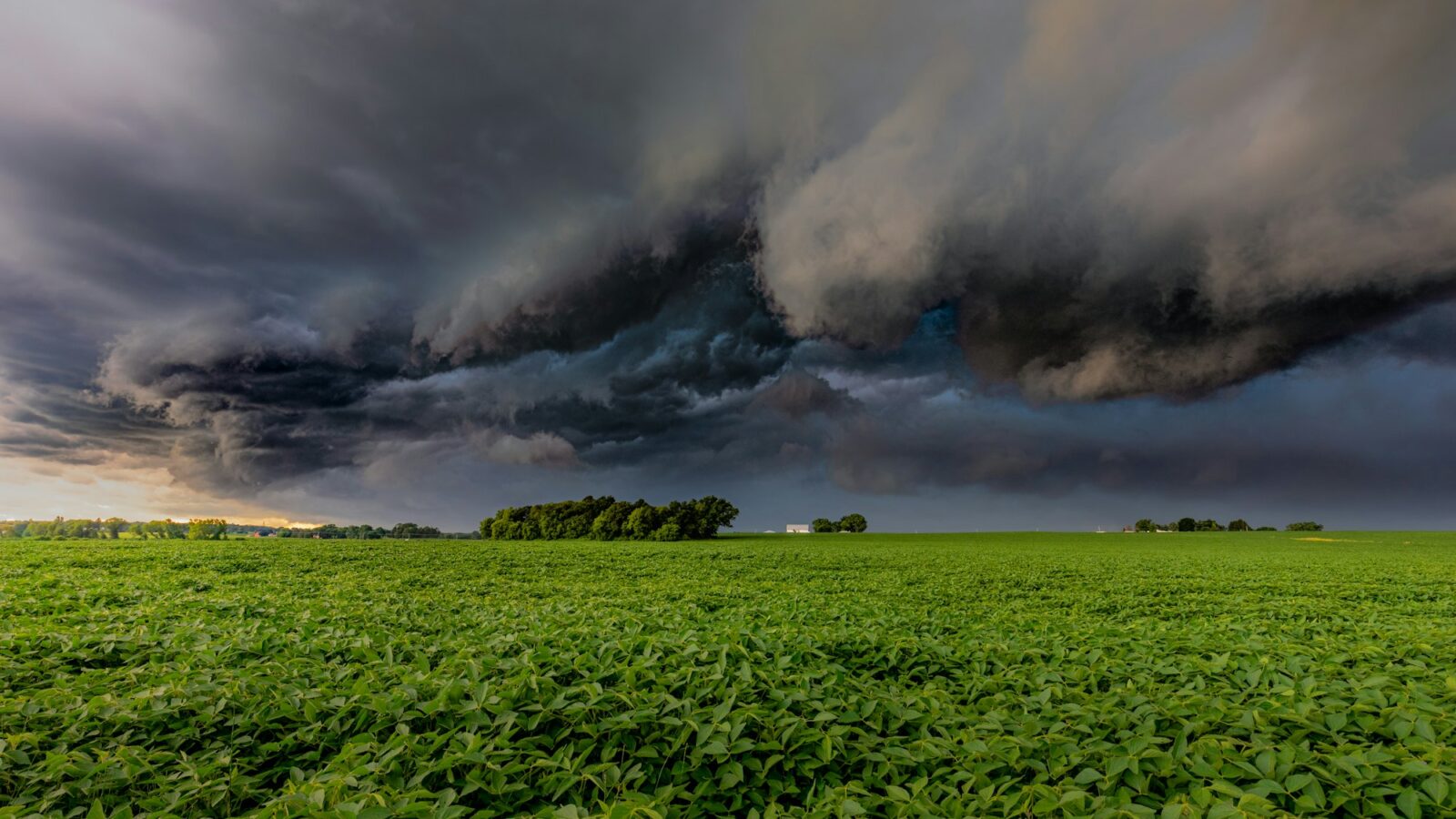
A farmer deciding when to plant cannot wait for next week’s forecast. Neither can a water manager deciding how much to release from a reservoir, or an aid group deciding where to stage supplies before the rains. They need a sense of what three or four weeks from now will bring, and for a long time that is exactly the forecast nobody could give them. Forecasts are skillful out to about two weeks; after that, skill drops sharply, in a stretch forecasters have long called a “predictability desert”.
A study published in Nature on October 14, 2026, by researchers at Microsoft Research, Harvard, MIT, ECMWF and other institutions, shows that a lightweight machine learning method can recover real skill in that window. Called probabilistic bias correction, it sits on top of an existing weather model, learns how that model has gone wrong in the past, and adjusts the odds of warmer, cooler, wetter or drier weeks. One component learns location, date and probability specific corrections from the model’s own past forecasts; the other blends in recently observed weather and the typical conditions for that time of year. It does not replace physics. It corrects physics’ habits.
Applied to the dynamical model from the European Centre for Medium-Range Weather Forecasts (ECMWF), widely considered the world’s most accurate, it improved on the center’s own standard correction for 91 percent of pressure, 92 percent of temperature and 98 percent of precipitation targets. Applied to ECMWF’s AI subseasonal model, it doubled that model’s modest skill in 2025. The team retrained it every day using only data that would have been available at the time, the way a real forecasting office would have to.
Then it was tested live. In ECMWF’s 2025 AI Weather Quest, where forecasts are submitted in advance and scored later, the team’s entry was the best for every weather variable and lead time in the September to November season, ahead of the corrected forecasts of six operational forecasting centers, three ECMWF AI models and 34 teams worldwide. It also did best in the following December to February season.
For people who farm by the rain
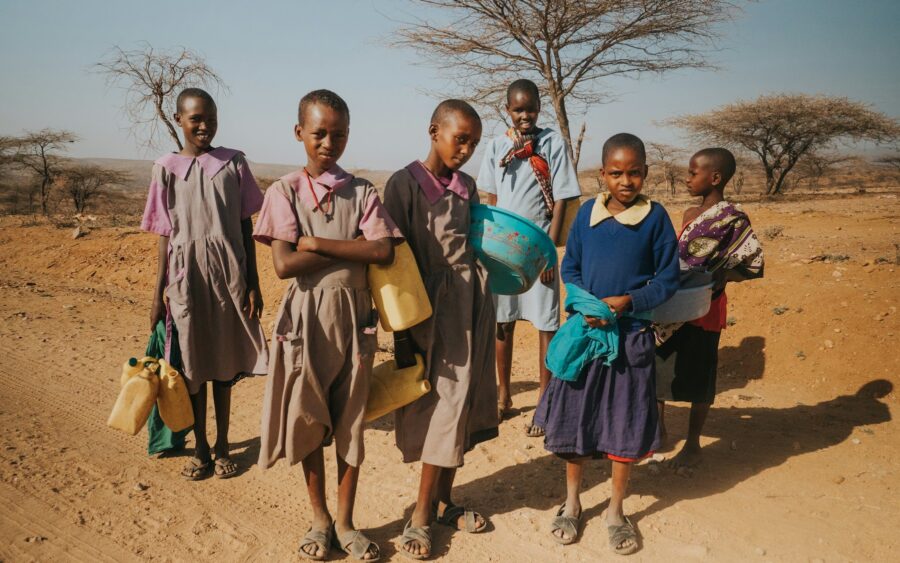
For rainfall, the method was twice as skillful as the combined forecast of all six centers in week three, and three times as skillful in week four. The authors point to farming regions of Eastern and Southern Africa, where out-of-season rains can be devastating, as places where better three to four week forecasts could help. Deciding whether to plant now or wait is a bet. Better odds make it a smarter one.
For places that flood
Across flood events catalogued by the Global Disaster Alert and Coordination System from 2016 to 2026, the method boosted the ECMWF model’s flood forecast skill by 76 to 92 percent. Weeks, not days, is the kind of lead time that lets an aid group get supplies in place before the water rises.
For anyone facing a cold snap
In November 2025, the team’s live week-four forecast flagged a mid-December cold air outbreak in the eastern United States that the standard corrected forecast missed. A few weeks of notice before a deep freeze is time to check the furnace, wrap the pipes and look in on older neighbors.
None of this makes the far future certain. Skill at this range is still modest, so these are better odds, not guarantees, and the paper does not report any forecasting agency running the method yet. The code is openly available on GitHub, so any forecasting center can try it. The moment worth waiting for is when one does, and a farmer in a semi-arid corner of Eastern Africa gets a week-four forecast good enough to plant by.
Sources
- Advancing subseasonal forecasting with machine learning
- PBC open-source code
- AI Weather Quest leaderboards
Every claim in this story was checked against these sources on October 15, 2026. Spot something wrong? Tell us and the correction will be dated on this page.