Underwater Microphones and AI Could Help Guard the Reefs That Feed Coastal Communities
A cheap listening system that hears illegal blast fishing could help patrols and restoration teams protect reefs that coastal families rely on. A UK and Indonesian team used a machine learning detector to find 3,567 verified blasts in recordings made over 16 months off South Sulawesi.
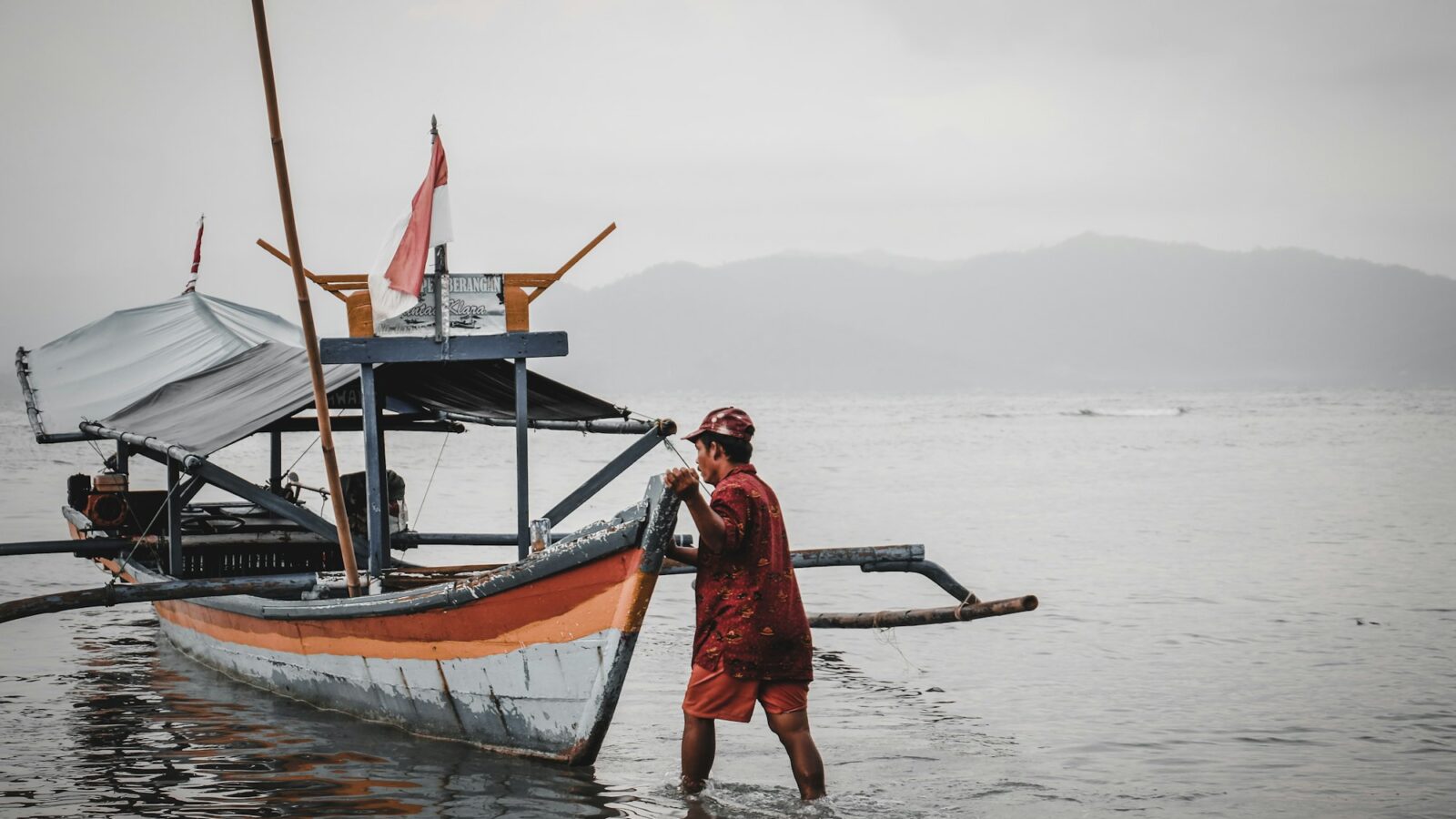
Somewhere off the coast of South Sulawesi, almost once an hour on an average day, a homemade bomb goes off over a coral reef. The blast stuns the fish so they can be scooped up. It also shatters the reef that feeds those fish, and the families who catch them.
No one knew how often this happens, because the practice is illegal and largely unreported. Now researchers from universities in the UK and Indonesia, working with the Zoological Society of London and Mars Sustainable Solutions, have simply listened. Over a 16-month deployment, underwater microphones and a machine learning system they call BombDetect found 3,567 blasts, each one checked by the team, in the Spermonde Archipelago, a reef region the authors call a global marine biodiversity hotspot. The study, which Lancaster University describes as a pilot, appeared on August 12, 2026, in Remote Sensing in Ecology and Conservation.
A count no one had before
Within those 16 months the team gathered 3,698.88 hours of underwater audio. In that recorded time they found the equivalent of 23.14 blasts a day, which the paper scales up to roughly 8,446 blasts and up to 16.72 hectares of degraded reef every year. The authors describe it as the first quantitative estimate of bomb fishing intensity and timing in the region.
The patterns are oddly human. Blasts happened year round and mostly in daylight. They dropped significantly on Fridays, the local prayer day, and during a stretch of stormy weather.
Where the machine earned its keep
Thousands of hours of ocean noise is far more than a person can listen to carefully. The model does the first pass, flagging the sharp signature of an explosion so people can confirm it. According to Lancaster University’s announcement, the system can work through a month of audio in about four hours. The paper puts its estimated detection distance at no less than 16.95 kilometers, so a single recorder can cover a lot of water.
That is the clever part. The hard work of field acoustics is usually the listening, not the recording, and here the listening became fast enough to keep up with the sea.
Who this could help
Bomb fishing is universally outlawed, and yet Lancaster reports it has been documented in at least 34 countries. The people it hurts most are often the same coastal communities where it happens. The release notes that declining fish populations can reduce food security and income, and that damaged reefs weaken the natural coastal protection that stands between villages and the waves.
A map of when and where blasts happen gives authorities something they have rarely had: a target. Lancaster’s release says the approach could help pinpoint hotspots and peaks in activity to support targeted patrols or rapid restoration of freshly damaged reef, and that campaigns pairing the data with local community engagement could reduce the practice in fair and effective ways. That community piece matters, because the release names poverty and a lack of other livelihoods among the reasons people turn to explosives in the first place.
Coral reef researcher Tim Lamont of Lancaster University, one of the authors, put the hope plainly:
“This technology could really help in the fight to end bomb fishing around the world.”Tim Lamont, Lancaster University, via Lancaster University’s release on Phys.org
The authors call their approach low cost and say it can be readily adapted to other regions. For a fisher in Spermonde whose catch depends on a living reef, the first real step is simple: someone finally knows how often the bombs go off, and when to be there.
Sources
- Widespread Bomb Fishing in Indo-Pacific Archipelago Revealed Through Machine Learning Accelerated Passive Acoustic Monitoring
- AI exposes devastating impact of bomb fishing on coral reefs (Lancaster University release)
- Crossref metadata and abstract for 10.1002/rse2.70093
- Mars' 'Big Build' mass coral restoration success
Every claim in this story was checked against these sources on October 15, 2026. Spot something wrong? Tell us and the correction will be dated on this page.