Engineering and materials
New materials, better batteries and smarter infrastructure, from the lab bench to the factory floor.
New in Engineering
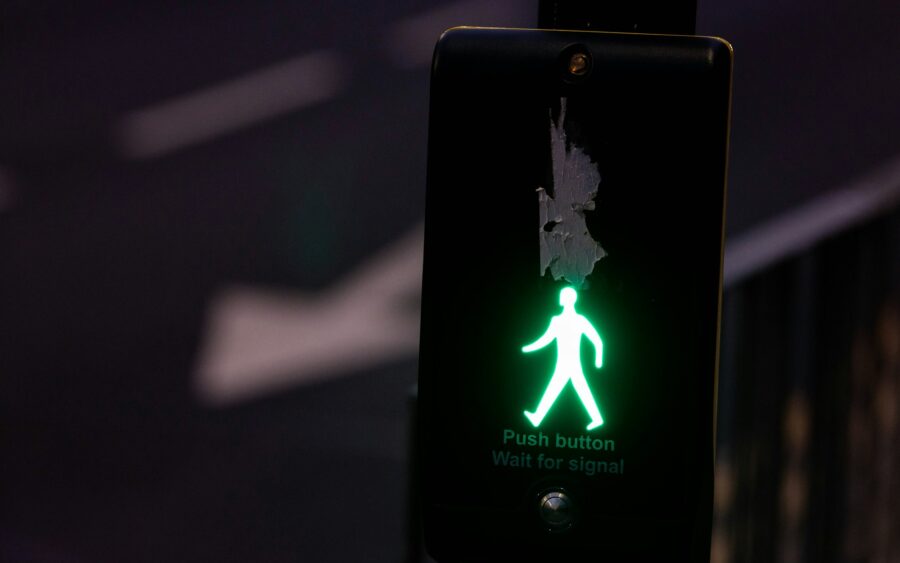
A Phone App Could Help Blind and Low-Vision People Walk Outdoors More Independently
A smartphone app could one day help blind and low-vision people walk outside more safely and on their own. In a Harvard study of 14 volunteers, it beat Google Maps plus a cane on speed and obstacle contacts.

Everyday Dashcam Photos Could Help Cities Find Flooded Blocks That Nobody Reported
Street photos from ordinary car dashcams could show cities which neighborhoods flood, including ones nobody reports. Cornell Tech and UC Berkeley researchers tested the method on more than 1.4 million images.
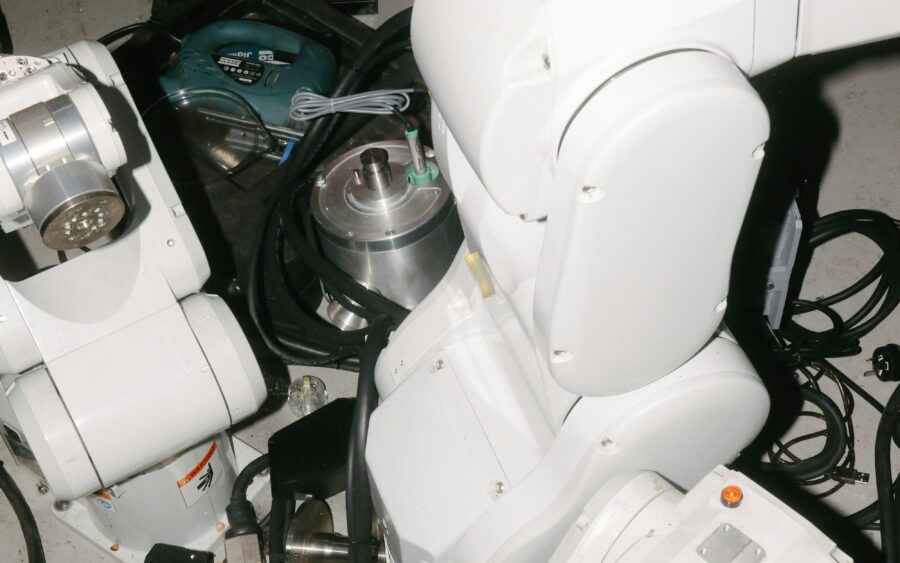
A Step Toward Dependable Robot Helpers, Starting at a Mall Juice Counter
Robots steady enough for kitchens, shops and factories took a step closer: one served mall shoppers juice for about seven hours without a failure. A team from Shanghai Jiao Tong University, Tsinghua University, the Shanghai Qi Zhi Institute and other institutions built the learning method, RL-100.
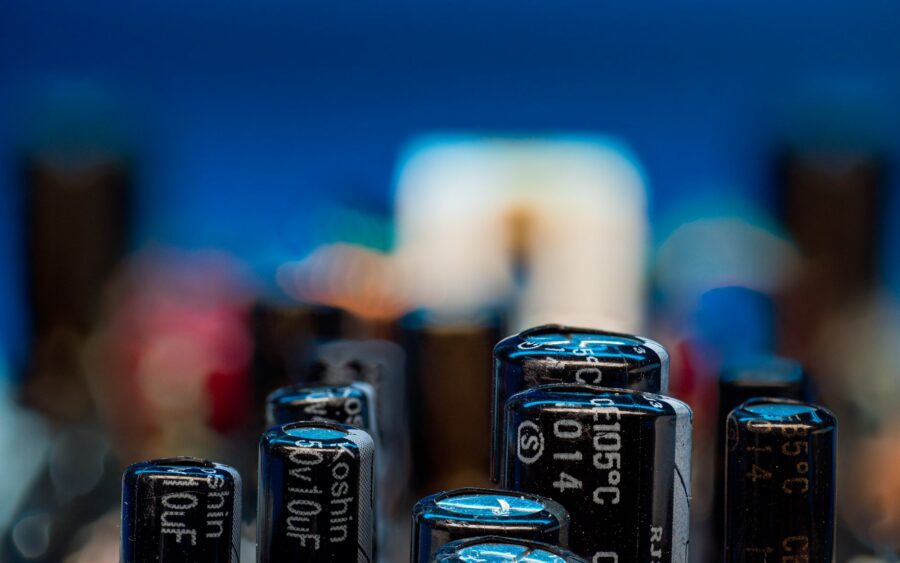
A Ceramic Found With Machine Learning Could Free Up Room Inside Wireless Devices
The phones, radios and satellites people rely on are packed with tiny capacitors, and a new ceramic could one day let them take less space. An international team used machine learning to find it, and one prototype part took about 85 percent less volume than a comparable commercial part.
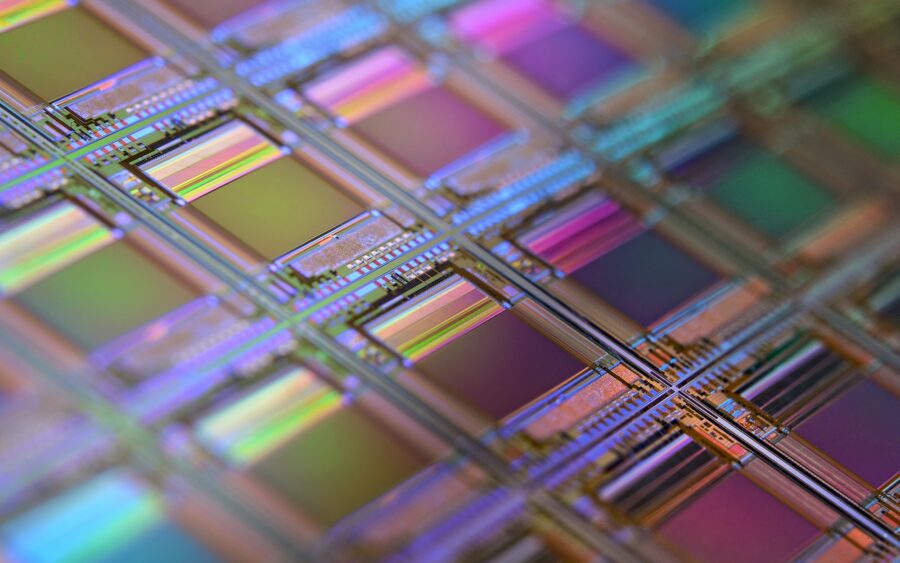
A Self-Driving Lab Gave Engineers a Recipe They Can Follow by Hand
Engineers growing a promising material for power electronics got something rare from an automated lab: a recipe people can follow, test and improve. NTT researchers report their self-driving lab grew gallium oxide films with less disorder than previously reported for sputtering, and people using a rule drawn from its data went lower still, in more runs.
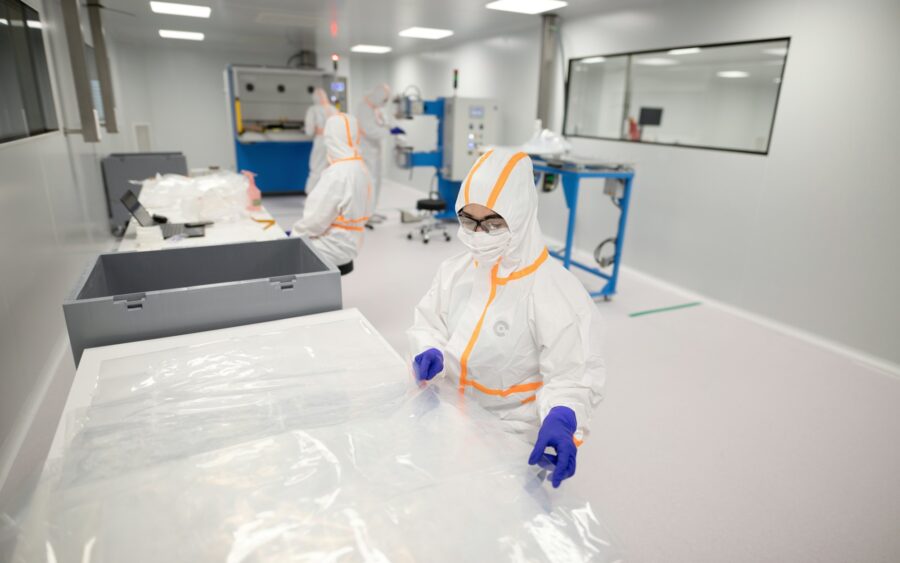
Machine Learning Takes Some Guesswork Off the People Who Grow Light-Emitting Crystals
Crystal growers facing an unfamiliar machine could lean less on an expert's instinct, thanks to a system that watches growth live and corrects it. SemiEpi, from the Chinese Academy of Sciences' Institute of Semiconductors and Zhejiang University, steered quantum dots close to a 1240 nm target chosen for gas sensing, though a person still handled some steps by hand.
On the tracker
Mobilio navigation app
A smartphone app could one day help blind and low-vision people walk outside more safely and on their own.
- Field
- Engineering and materials
- AI contribution
- Significant
- Status
- Peer-reviewed study with 14 participants; not yet publicly released; Harvard is pursuing commercialization
- Last status change
- August 24, 2026
- Next milestone
- Wider real-world testing around Boston and work toward a product
- Primary source
- Nature Biomedical Engineering
This was a small study (14 participants) on set routes in the Boston area, compared with Google Maps plus a cane rather than with guide dogs or other specialized aids. The app is not yet available to download, and how well it works across many cities, weather and lighting conditions is still to be tested. Harvard's Office of Technology Development says it has protected the innovations from this research and is actively pursuing commercialization opportunities; the paper itself declares no competing interests.

A week of discoveries, one email, every Sunday.
The week's verified discoveries, what moved on the tracker, and one big question answered. If it was a quiet week in a field, we say so instead of filling the space.