Eighteen Children Got an Answer After a Model Reread Their Unsolved Genomes
Eighteen families got an explanation for their child's condition after a language model took a second look at their genome data. Boston Children's Hospital, Harvard and OpenAI reanalyzed 376 unsolved cases and report the results in NEJM AI.
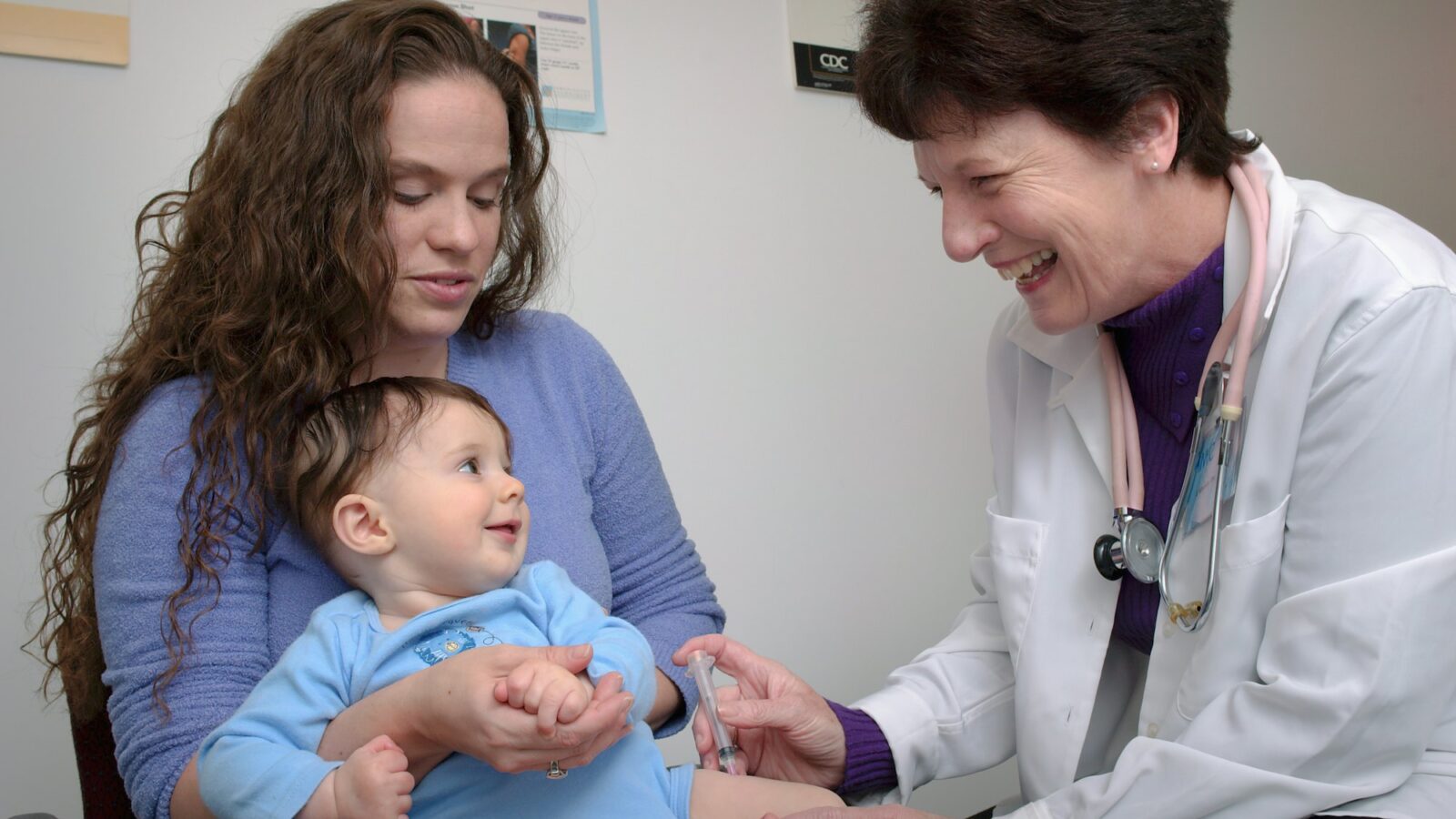
For a family with a sick child and no diagnosis, the hardest word in medicine is “unknown.” Genome sequencing comes back inconclusive, the specialists run out of ideas, and the file goes quiet. Sometimes it stays quiet for years, because nobody has the hours to open it again every time the science moves.
A team from Boston Children’s Hospital, Harvard Medical School and OpenAI decided to open 376 of those files at once. They fed each case into a large language model workflow that read the clinician’s notes, the standardized symptom terms (Human Phenotype Ontology terms) and a filtered table of the patient’s gene variants, and asked it to propose candidate explanations with its reasoning attached. The model was OpenAI’s o3 deep research model. Human geneticists then judged every suggestion against the criteria of the American College of Medical Genetics and Genomics and the Association for Molecular Pathology. Eighteen children came out of that process with a confirmed diagnosis that their families were told about. The study was published June 25 in NEJM AI.
Four groups of hard cases
The 376 cases were not easy ones. They came from four cohorts at the hospital, and the new diagnoses landed unevenly:
- 10 of 100 rare neurodevelopmental cases
- 4 of 61 neuromuscular cases
- 2 of 200 cases of sudden unexpected death in pediatrics
- 2 of 15 early psychosis cases
That is 18 of 376 overall, an added diagnostic yield of 4.8 percent, with a confidence interval the authors give as 2.9 to 7.5 percent. The bar for counting was deliberately high. A case only counted when a variant was classified as pathogenic or likely pathogenic, confirmed in a laboratory certified under the Clinical Laboratory Improvement Amendments, and returned to the family.
The team also found seven what they call “rediscoveries,” where a pathogenic finding had already been established somewhere outside the hospital but was not sitting in the local research record when the case was reviewed.
The part that reads like detective work
In one early psychosis case, the model was never handed any copy number or structural variant calls, because the standard pipeline could not evaluate them. It noticed a run of low quality calls in the child’s data that contrasted with clean calls in the mother’s, put that next to the child’s symptoms, and flagged a possible deletion on chromosome 22 at the 22q11.2 region. Sequencing confirmed it. The paper names that confirming test two different ways, whole genome sequencing in the abstract and next generation sequencing in the results, and does not resolve the difference.
The workflow also threw off a research lead rather than a diagnosis: an 11 amino acid in-frame deletion in the S1PR1 gene in a patient with vitiligo and congenital heart disease. The authors call it a strong candidate for a new disease gene, list it as a variant of uncertain significance, do not count it in the yield, and ask for functional studies.
What 4.8 percent means at a kitchen table
Four point eight percent sounds small until you are one of the eighteen. A name for the condition is not a treatment, but it changes the shape of a family’s life: it can end the testing, point to the right specialist, tell parents what the recurrence risk is for another pregnancy, and connect them to other families with the same rare diagnosis. For the two families in the sudden unexpected death cohort, an answer arrives far too late to help the child, and may still matter enormously to surviving siblings.
The authors are careful about what they did and did not show. The model never diagnosed anyone. It read annotations it was given, wrote out candidate explanations with reasoning, and left every judgment to the geneticists. What the study really demonstrates is that reopening old genomes has become cheap enough to do in bulk, which is the first step toward doing it on a schedule, for everyone still waiting.
Sources
- LLM-Assisted Reanalysis of Unsolved Rare Disease Genomes Increases Diagnostic Yield
- Author manuscript, PMC13417654
- PubMed record and abstract, PMID 42529462
Every claim in this story was checked against these sources on October 15, 2026. Spot something wrong? Tell us and the correction will be dated on this page.