Climate and planet
Better forecasts, cleaner energy, wildlife counted and protected. The planet-sized problems where AI is starting to help.
New in Climate
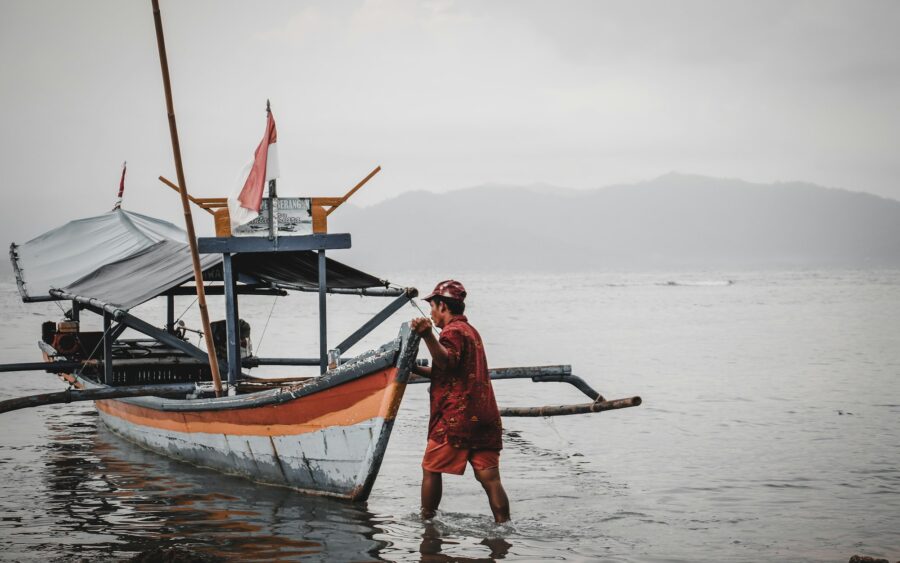
Underwater Microphones and AI Could Help Guard the Reefs That Feed Coastal Communities
A cheap listening system that hears illegal blast fishing could help patrols and restoration teams protect reefs that coastal families rely on. A UK and Indonesian team used a machine learning detector to find 3,567 verified blasts in recordings made over 16 months off South Sulawesi.
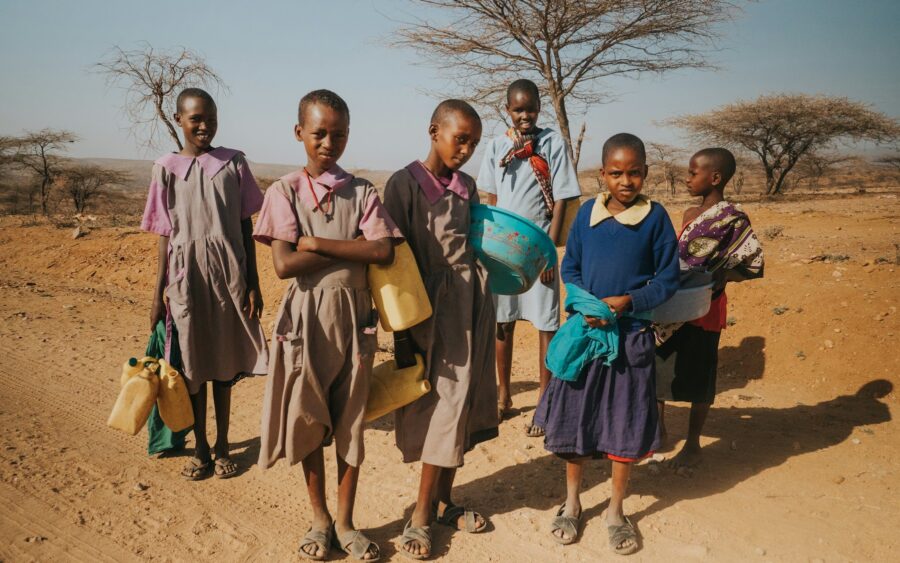
Help Could Reach Hungry Kenyan Children Sooner as Forecasts Join Drought Warnings
Kenya's drought agency now uses machine learning forecasts of child malnutrition, aiming to get help to families before hunger peaks. The method, from UC Berkeley, Cornell, IFPRI, the agency and the US Census Bureau, was published in PNAS in 2025; what is new is its use in Kenya's early warning system in 2026.
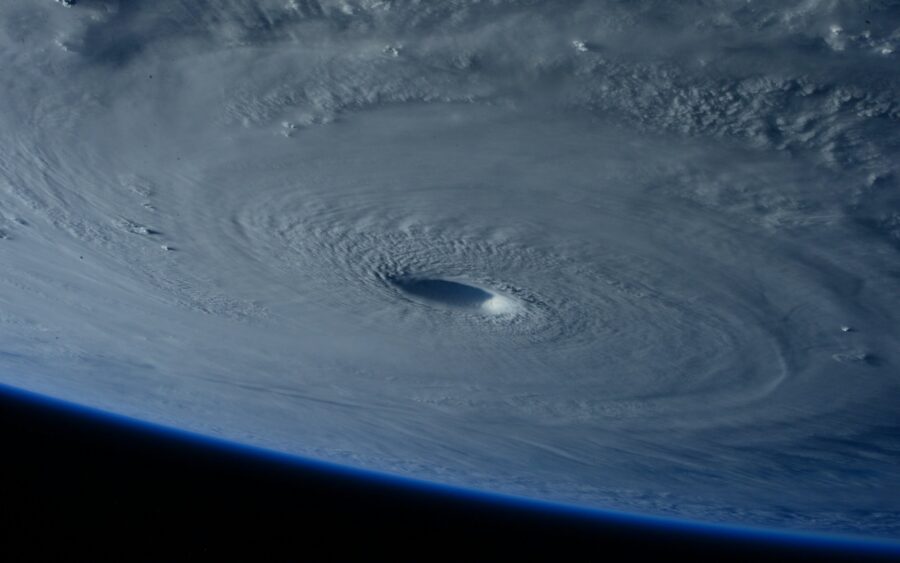
Coastal Families Could Get About a Day More Hurricane Warning From an AI Forecast
People in a hurricane's path could get about a day more warning, from an AI model hurricane forecasters have already begun to use. Google DeepMind's model matches the accuracy of leading forecasts about a day or more earlier, a Nature study with National Hurricane Center co-authors reports.
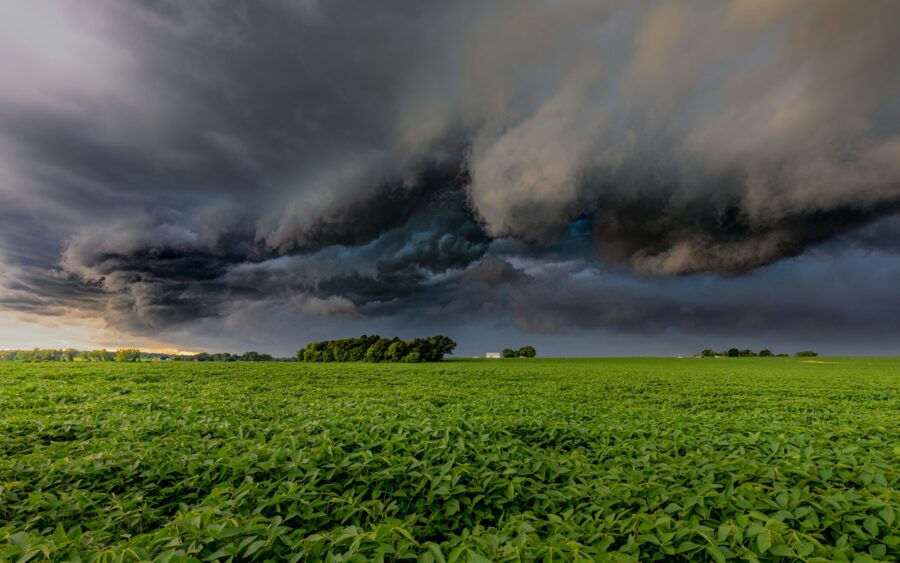
Better Odds for Farmers Planning Three to Four Weeks Ahead of the Weather
Farmers, water managers and aid groups could get better odds on the weather three to four weeks out, a range long called a predictability desert. A machine learning correction from Microsoft Research, Harvard, MIT, ECMWF and others topped ECMWF's 2025 AI Weather Quest, a Nature study reports.
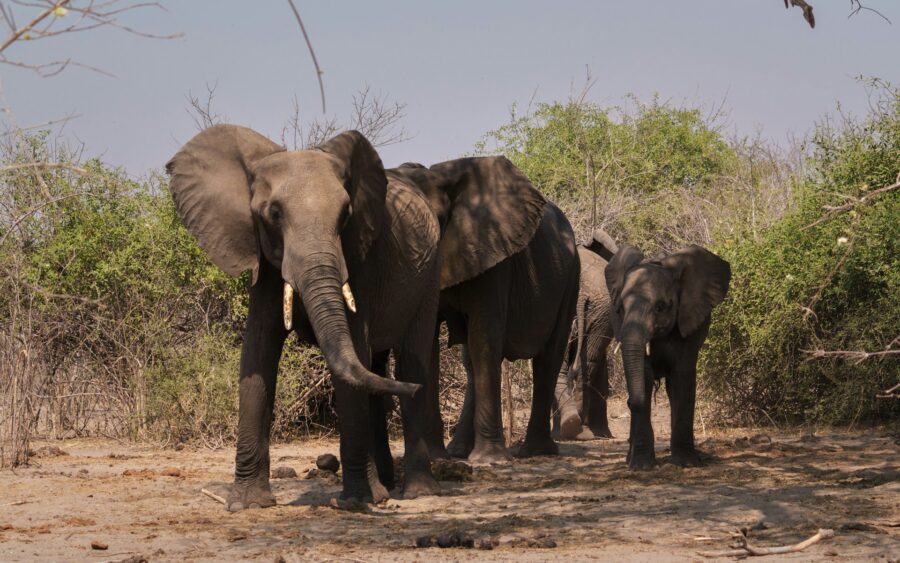
Conservationists Could One Day Count Elephants From Space, but Not Without Planes Yet
Satellites could one day help the people protecting Botswana's elephants count herds more often than costly survey flights allow. A team including the University of Edinburgh and Elephants Without Borders ran Botswana's first matched satellite and aircraft count with an AI detector, but trees made the satellite estimates uncertain.
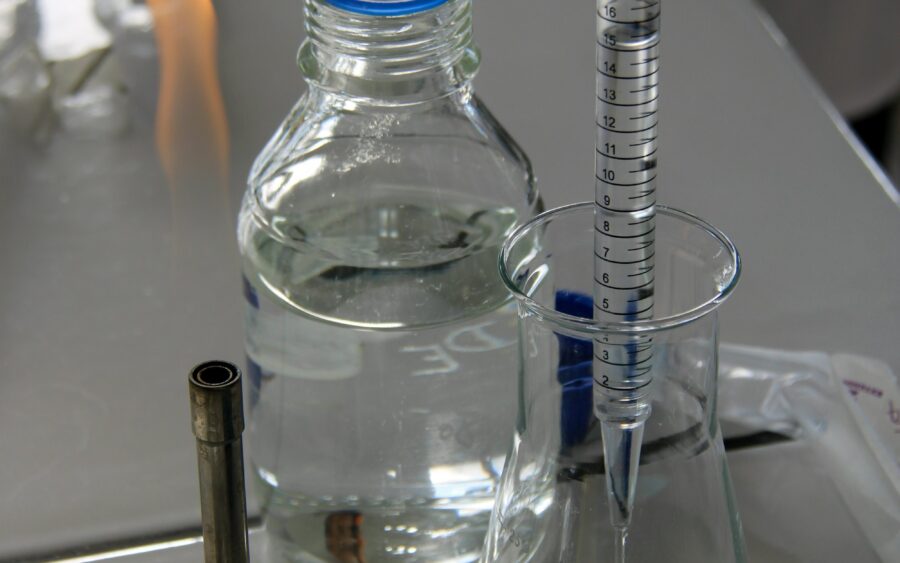
A Step Toward Batteries Made From Plentiful Sodium to Store Renewable Power
Batteries made from plentiful sodium could one day help store renewable power, and a newly found solvent is a small step toward them. MIT researchers say an AI-guided search of 100,000 candidate solvents, narrowed to 27 lab tests, found the molecule; the result appears in Joule.
On the tracker
WeatherNext Cyclones in operational hurricane forecasting
People in a hurricane's path could get about a day more warning, from an AI model hurricane forecasters have already begun to use.
- Field
- Climate and planet
- AI contribution
- Central
- Status
- Running live since June 2025; experimental guidance used by NHC forecasters; peer reviewed in Nature (Aug 2026)
- Last status change
- August 6, 2026
- Next milestone
- Season verification for 2026 and extension to rainfall, storm surge and gusts (named by the authors as future work)
- Primary source
- Nature
The model still depends on ECMWF's analysis of current conditions as its starting point, and it does not yet forecast rainfall, storm surge or gusts, which cause much of the damage. The authors note that traditional models still add real value for intensity, and most of the authors are Google employees.
Machine learning child malnutrition forecasts in Kenya’s drought early warning system
Kenya's drought agency now uses machine learning forecasts of child malnutrition, aiming to get help to families before hunger peaks.
- Field
- Climate and planet
- AI contribution
- Central
- Status
- Integrated into NDMA early warning (April 2026); NDMA using retrained model to trigger anticipatory cash transfers to mothers (Cornell, July 2026)
- Last status change
- July 28, 2026
- Next milestone
- Rigorous evaluation of the anticipatory cash transfers; county pilots in Isiolo, Tana River and Marsabit
- Primary source
- PNAS
The forecasts miss crises and raise false alarms: according to Cornell, roughly half of one-month alerts and a third of six-month alerts matched real crises in testing, and the paper shows accuracy collapsed for about two years after sentinel sites moved in 2016. Whether the anticipatory cash transfers actually protect children has not yet been evaluated. Two of the paper's six authors, Clinton Ouma and Nelson Mutanda, work for Kenya's NDMA, which collected the data and now runs the tool; the paper declares this as a competing interest.

A week of discoveries, one email, every Sunday.
The week's verified discoveries, what moved on the tracker, and one big question answered. If it was a quiet week in a field, we say so instead of filling the space.