Can AI Predict Hurricanes and Extreme Weather?
Yes, in some cases: an AI model gives hurricane forecasters about a day more warning, and new methods sharpen forecasts weeks ahead. Here is what works and what is still years away.
Yes, in some specific cases. An AI hurricane model is already giving forecasters about a day more warning on where a storm will go and how strong it will get, and a machine learning method has improved forecasts three to four weeks ahead. Neither replaces human forecasters or physics-based models, and the far future is still a matter of better odds, not certainty.
Below are the cases we have reported and checked on this beat. They are not the whole field, but each names who it could help: coastal families, farmers, aid groups, conservationists and the fishers who depend on living reefs.
Hurricanes and the weeks ahead
For people on a low stretch of coast, a forecast is what sets the clock on boarding up or leaving. A Google DeepMind system called WeatherNext Cyclones, described in Nature with co-authors from the US National Hurricane Center, Colorado State University and the UK Met Office, reaches the accuracy of leading models for track, strength and size about a day or more earlier. Its average five-day track error was 230 km, against 370 km for the ECMWF ensemble. Forecasters at the Hurricane Center began folding its experimental guidance into their work in 2025. It does not yet forecast rainfall or storm surge, and most of the authors are Google employees. Read how an AI forecast could give coastal families about a day more hurricane warning.
A farmer deciding when to plant needs a sense of the weather three or four weeks out, a stretch forecasters have long called a “predictability desert”. A lightweight machine learning method from Microsoft Research, Harvard, MIT, ECMWF and others learns how an existing weather model has gone wrong before and corrects its odds. It was the best entry in ECMWF’s 2025 AI Weather Quest, and boosted flood forecast skill by 76 to 92 percent across catalogued flood events. Skill is still modest, several authors are Microsoft employees or shareholders, and no agency is reported to run it yet. See how farmers could get better odds three to four weeks ahead.
Drought, hunger and early help
In Kenya’s dry northern counties, a bad season can turn into hungry children faster than aid arrives. A team from UC Berkeley, Cornell, the International Food Policy Research Institute, the US Census Bureau and Kenya’s National Drought Management Authority built machine learning forecasts of child malnutrition from years of monthly arm measurements, plus satellite rainfall and vegetation data, conflict data and food prices. In 2026 a dashboard built on it was integrated into the agency’s drought early warning processes. According to Cornell, roughly half of one-month alerts matched real crises, and the cash transfers it now helps trigger are not yet evaluated. Two authors work for the agency, a declared competing interest. Read how forecasts could help reach hungry Kenyan children sooner.
Protecting wildlife and reefs
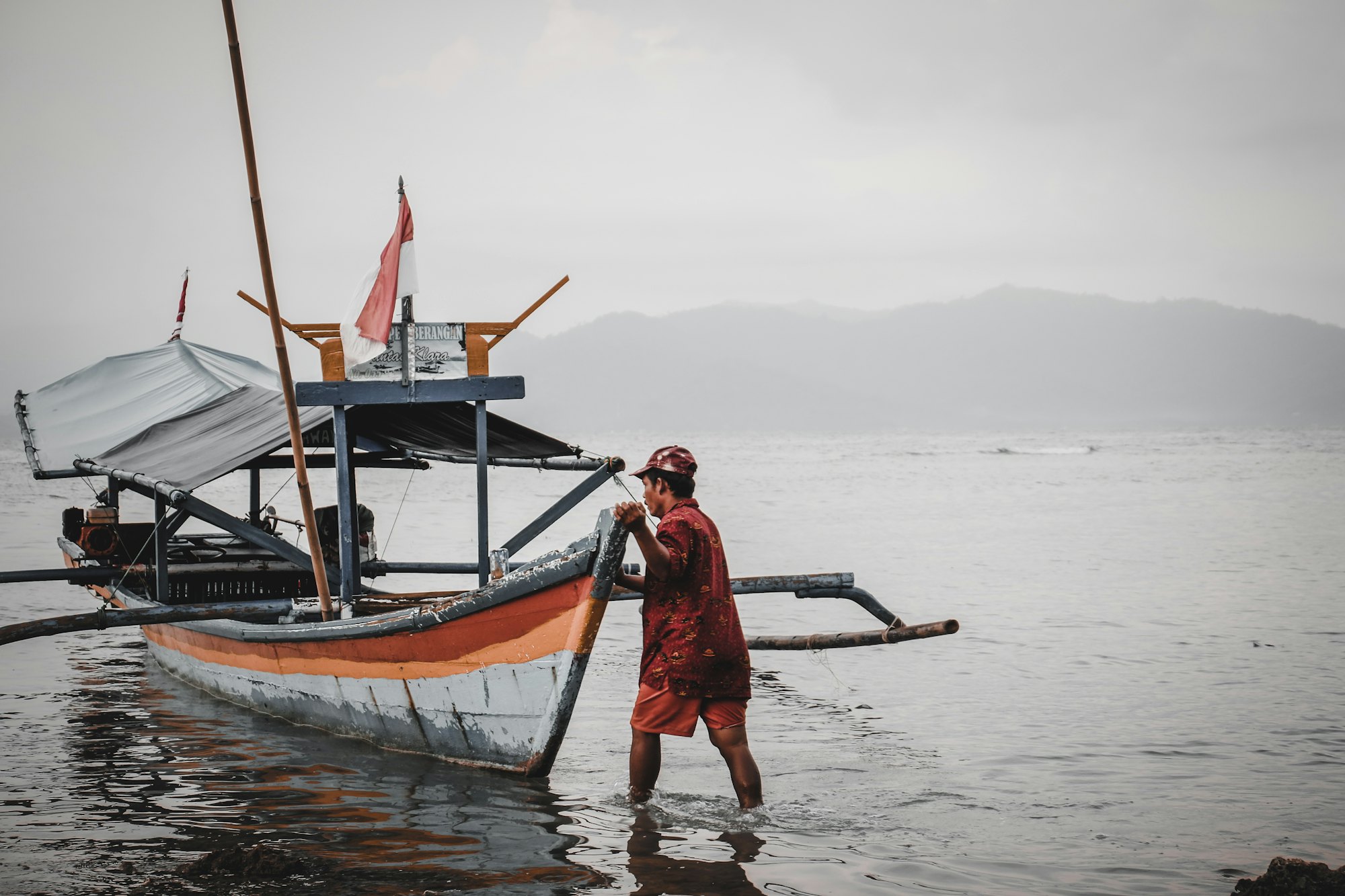
Off South Sulawesi, homemade bombs stun fish and shatter the reefs that feed coastal families. Researchers from universities in the UK and Indonesia, working with the Zoological Society of London and Mars Sustainable Solutions (a Mars program that has run coral restoration there), used underwater microphones and a machine learning detector called BombDetect to find 3,567 verified blasts over a 16-month pilot. Blasts dropped on Fridays, the local prayer day. The yearly totals are extrapolated, and the study does not yet show that patrols guided by the data reduce bombing. Read how underwater microphones could help guard reefs.
Elephant counts in Botswana often come from costly survey flights every four years or so. A team including the University of Edinburgh and Elephants Without Borders ran what the authors describe as the country’s first synchronous satellite and aerial wildlife count, using an AI elephant detector on 30 cm satellite imagery. Satellites were fast and needed no permits, but elephants resting under trees made the estimates uncertain. It is a single case study, and the authors say satellites should work alongside planes for now. See why counting elephants from space still needs planes.
Storing clean power
When the sun sets and the wind drops, stored power has to carry the load. MIT researchers led by Ju Li report in Joule a new electrolyte solvent, DMFSA, that helps sodium-metal batteries with both stability and speed. According to MIT News, an AI-guided search designed 100,000 candidate molecules, narrowed them to 200, and 27 were tested in the lab. This is lab-scale cell testing, not a commercial battery, and long-term safety, cost and manufacturing at scale are untested. Read about the step toward sodium batteries for renewable power.
How close is this to everyday life?
- Already in use: the hurricane model, as experimental guidance for human forecasters, and Kenya’s malnutrition forecasts inside its drought early warning system.
- Getting close: the three to four week forecasts, which have open code but no reported agency running them, and the reef listening system, a pilot whose next test is whether patrols guided by it reduce bombing.
- Years away: counting elephants from space without planes, and sodium batteries built around the new solvent, which still need larger, practical cells.
Questions people ask
Can AI predict hurricanes?
Yes, and forecasters already use one system. A Google DeepMind model described in Nature in August 2026 matched the accuracy of leading hurricane forecasts for track, strength and size about a day or more earlier. During the 2025 Atlantic season, forecasters at the US National Hurricane Center began folding its experimental guidance into their work. It is not an official Hurricane Center model, people still make the call, and it does not yet forecast rainfall or storm surge.
Can AI forecast weather weeks ahead?
Somewhat better than before, though still far from certain. A machine learning correction from Microsoft Research, Harvard, MIT, ECMWF and others improved forecasts three to four weeks out, a range long called a predictability desert, and won ECMWF’s 2025 AI Weather Quest. For rainfall it was twice as skillful as six forecasting centers combined in week three. Skill at that range is still modest, and no forecasting agency is reported to be running it yet.
Can AI help predict drought and hunger?
In Kenya, it is being tried right now. The country’s National Drought Management Authority has built machine learning forecasts of child malnutrition into its drought early warning system, looking one, three and six months ahead. The forecasts are far from perfect: according to Cornell, roughly half of one-month alerts matched real crises. Cash transfers to mothers triggered by a retrained version have not yet been evaluated.
How is AI used to protect wildlife?
One example is counting animals that are hard to survey. In Botswana, a team including the University of Edinburgh and Elephants Without Borders used an AI detector on satellite images in the country’s first matched satellite and aerial elephant count. Satellites covered ground quickly and needed no permits, but elephants hidden under trees made the estimates uncertain, so the authors recommend using satellites alongside survey flights, not instead of them.
Can AI help protect coral reefs?
It may help. Off South Sulawesi in Indonesia, underwater microphones and a machine learning detector found 3,567 verified fishing blasts over a 16-month pilot, giving the first quantitative estimate of bomb fishing in the region. The researchers say the maps could guide patrols and rapid reef restoration. The study does not yet show that patrols guided by the data actually reduce bombing.
The next real step in several of these stories is people deciding to use the tools: a forecasting center running the open code, a patrol boat sent where the blasts cluster, a herding family in Marsabit getting help before the worst of a dry spell. We will follow those steps as they happen on the climate page.