History and archaeology
Scrolls read without being opened, lost cities found from the air, languages decoded. The past, recovered.
New in History
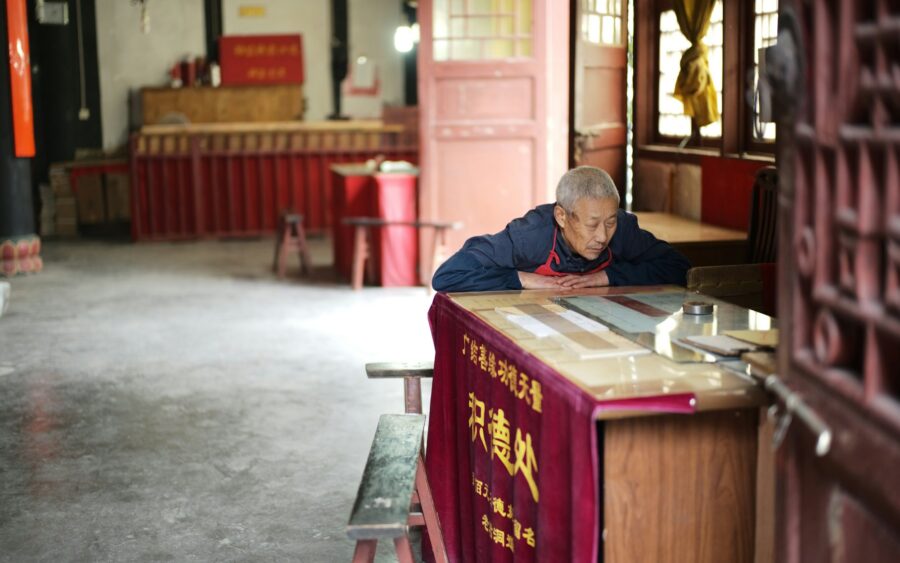
Cantonese Elders’ Life Stories Could Reach Families Sooner With an AI First Draft
Life stories from New Zealand's Cantonese elders could reach families and historians sooner, with a speech model drafting transcripts in hours. A University of Otago and New Zealand Chinese Association team ran Whisper on nearly 13 hours of interviews and found it reliable mainly on the English.
A Step Toward Voice Technology for 675 Underrepresented Languages, Built From Archive Recordings
Speakers of endangered languages could one day get speech tools in their own tongue, built from 30,202 hours of archived recordings. Researchers at Yonsei, McGill and Mila turned recordings from the Endangered Languages Archive into a public, non-commercial training set and early speech models.

The First Readable Letters Return From a Scroll Vesuvius Buried in AD 79
Readers and historians have the first words from a Herculaneum scroll too fragile to unroll, still sealed since Vesuvius buried it in AD 79. Dutch software engineer Erwin Nieuwlaar used machine learning ink models to make letters visible in PHerc. 343, and the Vesuvius Challenge's papyrologists read them.
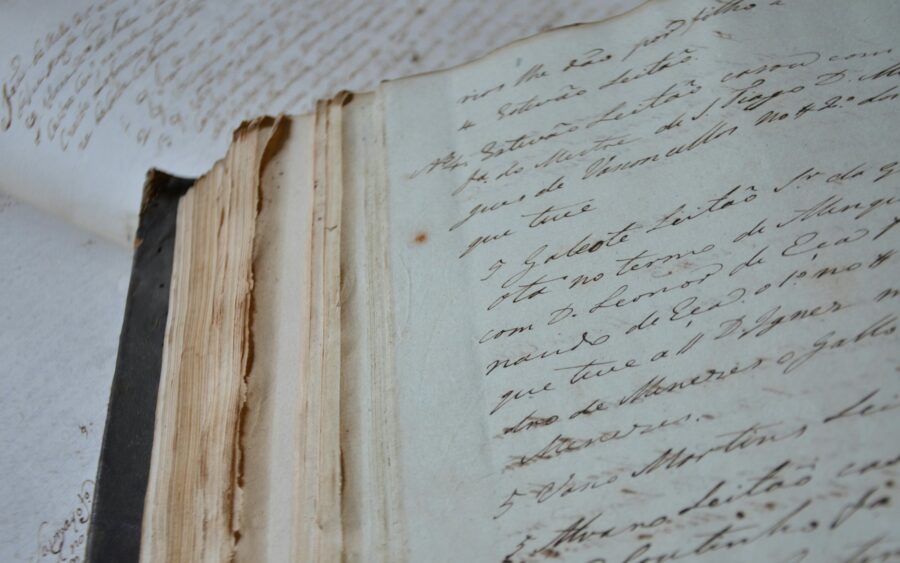
Curators Could Learn How Asia’s Palm-Leaf Manuscripts Were Made Without Harming Them
Libraries caring for South and Southeast Asia's palm-leaf manuscripts could learn how each leaf was made, using only non-destructive measurements. A Hamburg-led team paired synchrotron X-rays with machine learning; how a leaf was processed came through clearly, where it was made only some of the time.
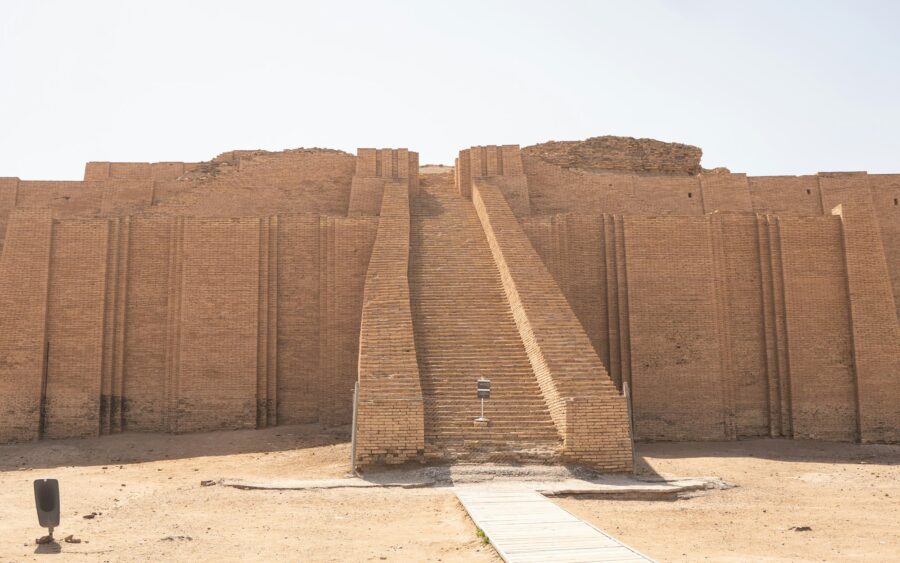
Free Radar Images Could Point Archaeologists to Unmapped Ancient Settlements in Iraq
Archaeologists searching central Iraq for the mounds left by ancient settlements could get a shortlist of places to check, built from free satellite data. Researchers in Treviso and Venice trained a deep learning model on Sentinel-1 radar and elevation data; its scores are modest, but the authors report archaeological review found it reliable and that it flagged potential sites not yet mapped.
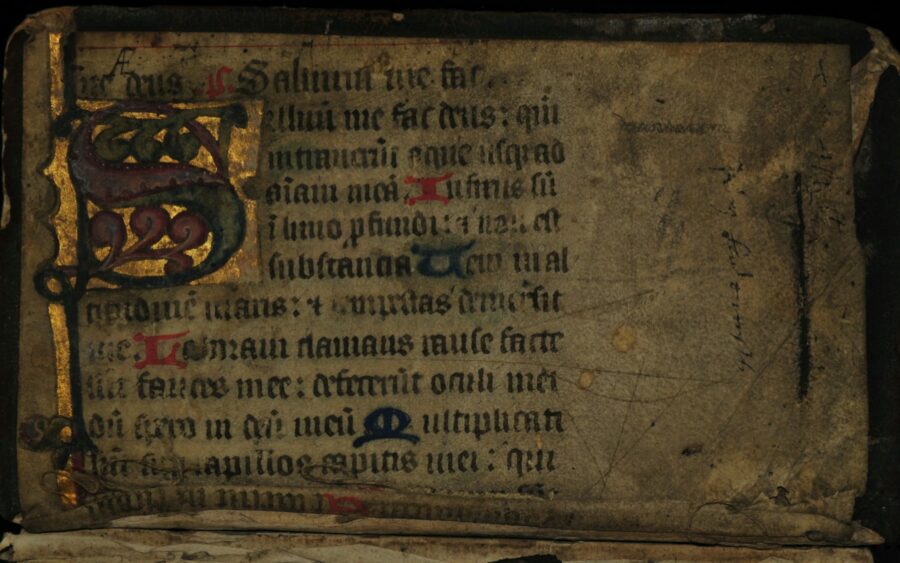
Not New, but Worth Knowing: 23,000-Plus Medieval Manuscripts Now Open to Everyone as Text
Students, historians and curious readers can explore the words of more than 23,000 medieval manuscripts that were once only photographs online. Inria's CoMMA corpus, first reported in January, used handwriting recognition on Latin and Old French manuscripts, and in September 2026 the team released the data in a new format on Hugging Face.
On the tracker
Vesuvius Challenge: reading the Herculaneum scrolls
Readers and historians have the first words from a Herculaneum scroll too fragile to unroll, still sealed since Vesuvius buried it in AD 79.
- Field
- History and archaeology
- AI contribution
- Central
- Status
- Surviving text of PHerc. 1667 read end to end (announced June 2026, preprint); first letters found in PHerc. 343 (October 2026)
- Last status change
- October 8, 2026
- Next milestone
- $1M Grand Prize deadline, June 25, 2027
- Primary source
- Vesuvius Challenge
This is a reading of a few letters from one small segment, checked by the challenge's papyrologists but not yet published in a peer-reviewed edition. Who wrote PHerc. 343, and what it is about, are still unknown.

A week of discoveries, one email, every Sunday.
The week's verified discoveries, what moved on the tracker, and one big question answered. If it was a quiet week in a field, we say so instead of filling the space.