Science and discovery
Proteins folded, planets found, old problems finally cracked. The fundamental science that AI is speeding up, explained for everyone.
New in Science
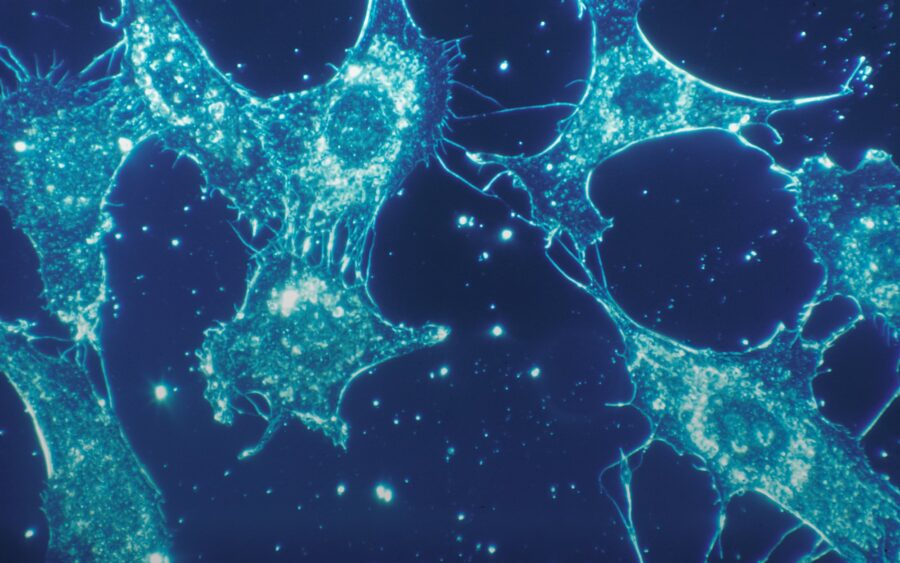
Hidden Human Proteins Found by Shape Could One Day Become Drug Targets
Many proteins in our cells are still unexplored, and a search by shape just found some that could one day become drug targets. University of Miami scientists searched AlphaFold predictions and found TM184C, which helps build bridges between cells.
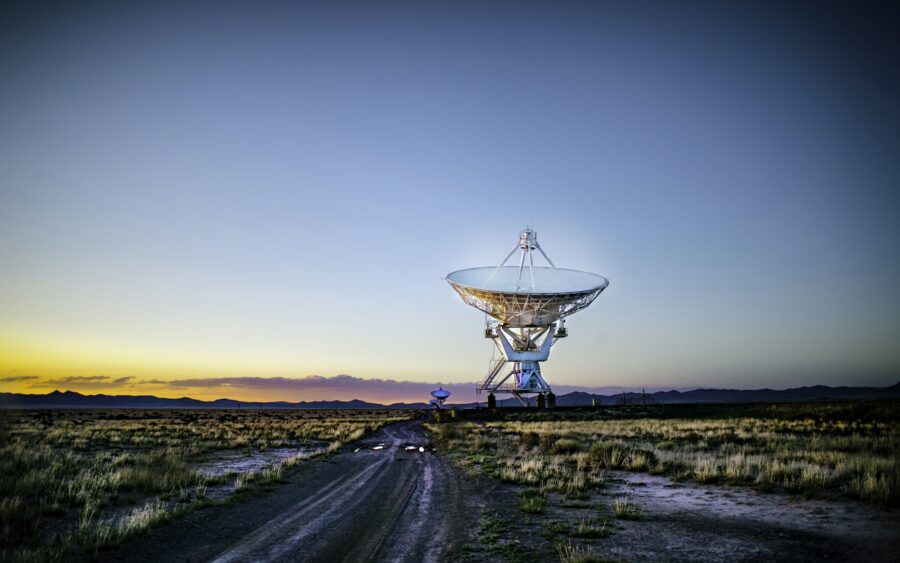
Anyone Can Now Watch 27 Years of a Black Hole Jet, Thanks to AI
Anyone can now watch a black hole's jet move across 27 years, in a video built from real radio telescope data. A Nature study from IAA-CSIC, Caltech and Toronto used a neural network to make it.
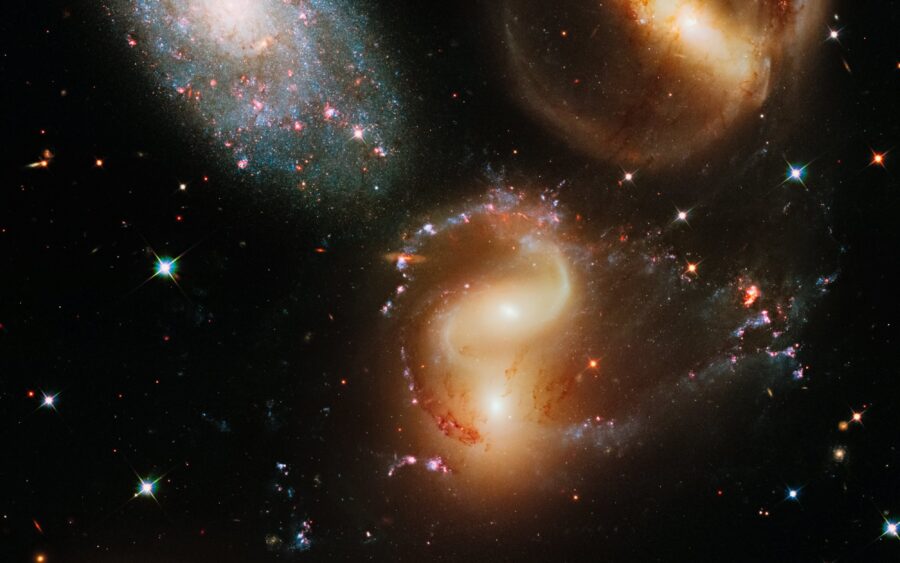
Astronomers Gain 55 Natural Telescopes That Could Help Map the Invisible Universe
Fifty five confirmed cosmic lenses give scientists new ways to study dark matter and how fast the universe is expanding. A team led by Emerald Lin and Ivonne Toro Bertolla checked 76 neural network picks with telescope spectra, confirming 55; 15 more need further observation and six were not lenses.
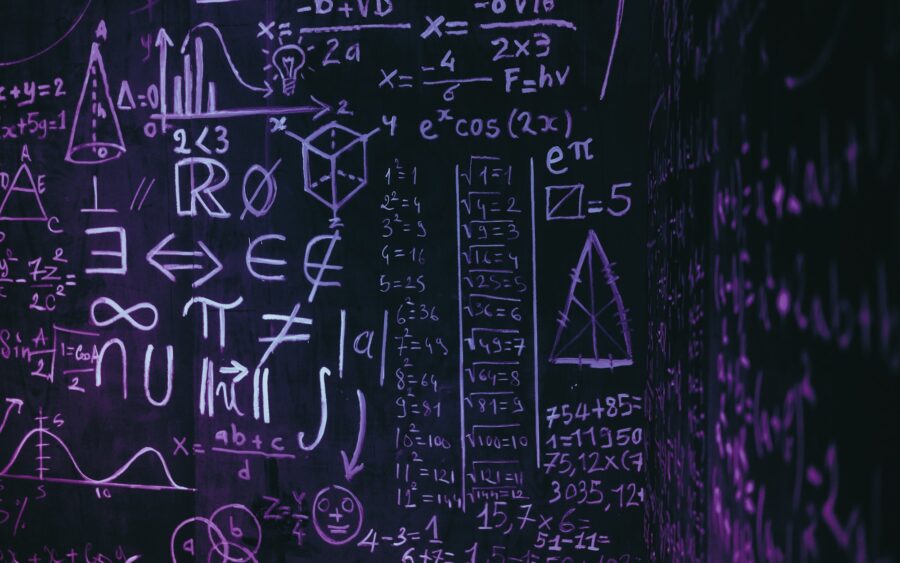
A Machine’s Record Proof About Zeta Zeros Now Has a Version People Can Follow
A record in number theory that a machine found first now has a human proof that students can actually learn from. A research version of Claude pushed the bound past 67.25 percent, and Youness Lamzouri, a mathematician in Nancy, re-proved it his own way. Both are preprints.
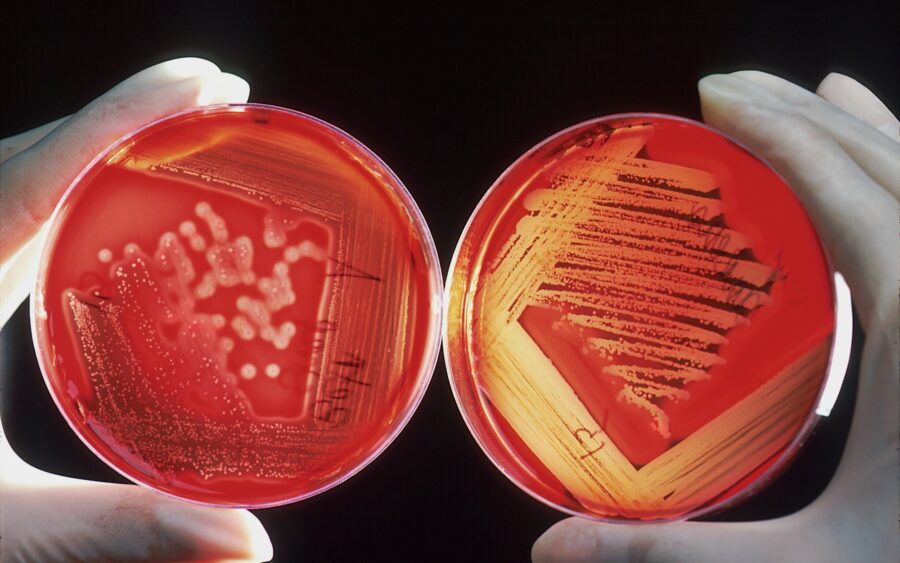
A Step Toward Rebuilding the Microbe Factories That Make Some Antibiotics and Cancer Drugs
The microbe assembly lines behind some antibiotics and cancer drugs could one day be rebuilt with parts made to order rather than scavenged from nature. A team at the Helmholtz Institute for Pharmaceutical Research Saarland designed 76 carrier parts with generative models, and the best raised output of a model peptide by up to about three times.
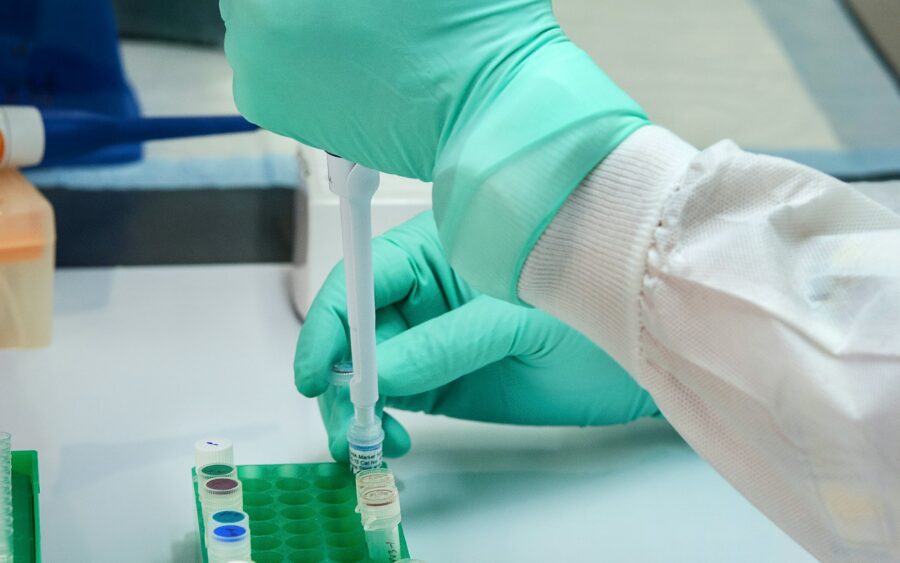
Odd Repeats in Virus DNA Could One Day Point Toward New Tools for Medicine
The kind of repeated DNA that led scientists to CRISPR has turned up beside enzymes in viruses that attack bacteria, and nobody yet knows what it does. Software agents searching 1.9 billion protein clusters flagged it, the work is a preprint, and the claim to have found it first is disputed.
On the tracker
DESI Strong Lens Foundry
Fifty five confirmed cosmic lenses give scientists new ways to study dark matter and how fast the universe is expanding.
- Field
- Science and discovery
- AI contribution
- Central
- Status
- 55 of 76 network-selected candidates fully confirmed with VLT/MUSE spectra, 15 awaiting more observation, 6 ruled out; published in The Astrophysical Journal Supplement Series, August 2026
- Last status change
- August 13, 2026
- Next milestone
- Further spectroscopy and Hubble imaging of remaining candidates from the neural network search
- Primary source
- The Astrophysical Journal Supplement Series 286, 9
Only 55 of the 76 candidates are fully confirmed with both lens and source redshifts. Fifteen have a lens redshift only and the authors say they need more observations, and six were not lenses. The campaign covered 76 of the thousands of candidates the network searches produced.
ART (array associated reverse transcriptases)
The kind of repeated DNA that led scientists to CRISPR has turned up beside enzymes in viruses that attack bacteria, and nobody yet knows what it does.
- Field
- Science and discovery
- AI contribution
- Central
- Status
- Preprint posted October 11, 2026; arrays shown to be expressed during phage infection, function unknown, not peer reviewed, priority disputed by a University of Copenhagen researcher
- Last status change
- October 11, 2026
- Next milestone
- Experiments showing what the enzyme does to the array RNAs, and independent replication outside the company
- Primary source
- bioRxiv (DOI 10.64898/2026.10.05.755809)
The function of the ART system is unknown: the authors have not shown that the enzyme is active, that the repeat arrays act as templates, or that anything here edits DNA. The work is a preprint that has not been peer reviewed, all authors are Anthropic employees, some may hold equity, and a provisional patent has been filed. Priority is disputed: Mario Rodriguez Mestre, a PhD candidate at the University of Copenhagen, says his group has studied these enzymes since 2022 without yet publishing and that he shared his dissertation and manuscript drafts with Claude; Anthropic denies its models were trained on user transcripts or that its biology team had access to them, and no evidence has established that his material was used.

A week of discoveries, one email, every Sunday.
The week's verified discoveries, what moved on the tracker, and one big question answered. If it was a quiet week in a field, we say so instead of filling the space.